Hey there, I’m Jake—been in the auxiliary equipment game for 12 years, mostly talking to small shop managers, plant foremen, and even freelance maintenance techs who are pulling all-nighters because a side unit crapped out mid-production. Most days, folks don’t notice their auxiliary gear until it’s dead in the water, right? But here’s the tea: 90% of the time, those breakdowns aren’t random. They’re just the screaming, messy end of tiny, preventable failures that get brushed off for weeks. I see this all the time—my team’s the auxiliary equipment supplier that gets panic calls at 2 a.m. because a conveyor motor died, or a cooling tower’s leaking all over the warehouse floor. Today, let’s cut the corporate jargon and break down the most common auxiliary failures we run into, plus the quick fixes that’ll save you from begging parts guys at 7 a.m. Auxiliary Equipments
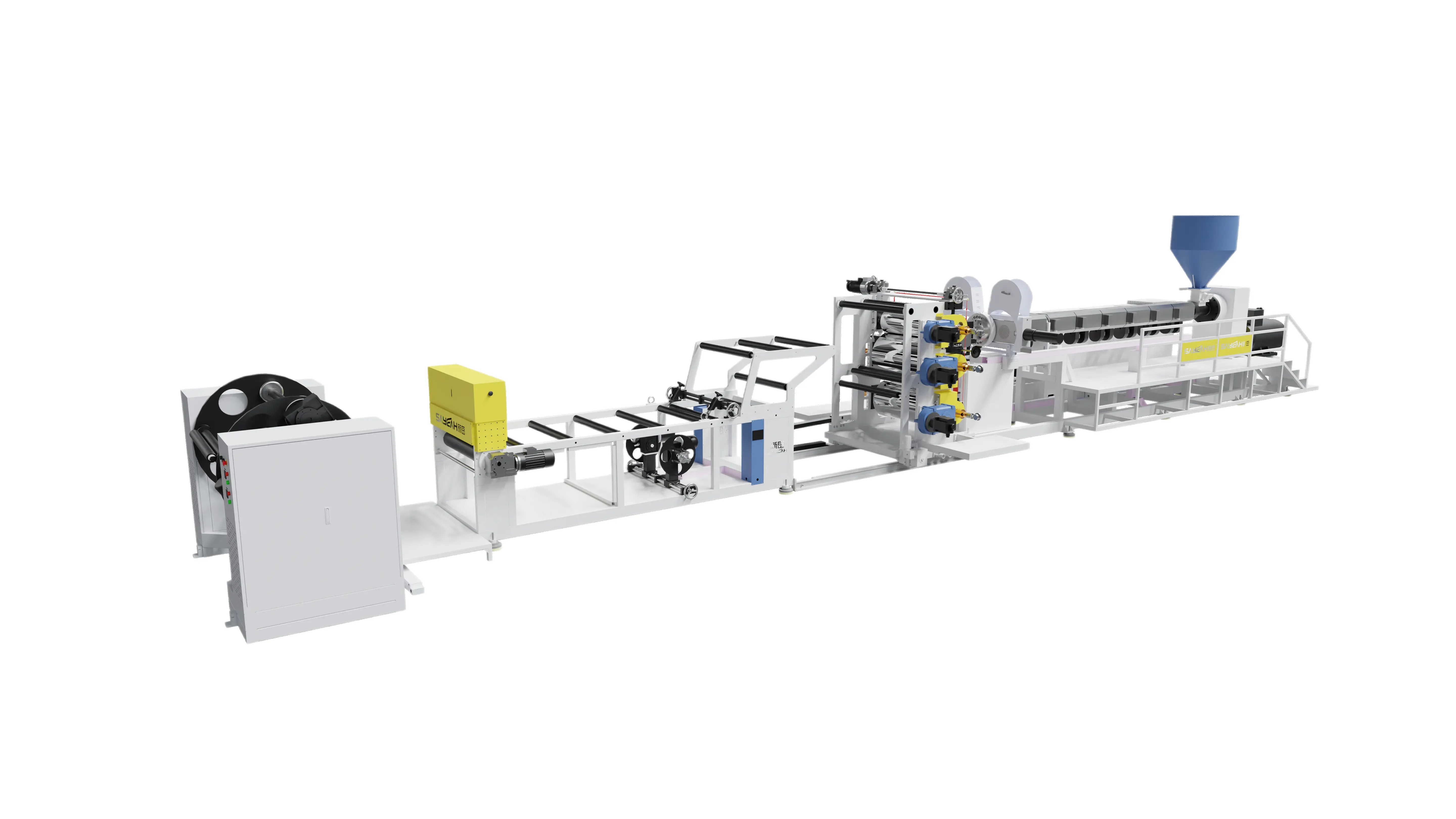
First, let’s define what we’re talking about here, quick: auxiliary equipment is all the side stuff that keeps your main production line running—conveyor motors, cooling towers, hydraulic pumps, air compressors, filter systems, that random small boiler you use for heating or cleaning. None of this does the big stuff itself, but kill one, and your whole line grinds to a halt. We’ve got clients that make everything from plastic toys to canned goods, and every single one has dealt with one of these. Let’s start with the #1 problem we field calls about: clogged and worn air compressor filters.
Wait, air compressors aren’t just for construction—they power everything from paint sprayers on assembly lines to the pneumatics that sort food packaging. But their intake filters? Most maintenance techs change them when they remember, or when the pressure drops. The thing is, dust, lint, and even tiny metal shavings from the floor build up way faster than you think. Last month, a client in Ohio called me screaming because their main compressor was blowing a fuse—turns out the filter was so clogged, it was forcing the motor to work 3x harder, overheating, and burning out the windings. Fixing this is super simple, but most people miss a key step: it’s not just swapping the filter. You gotta check the pre-filter too, the mesh thing that catches the big junk before it hits the actual pleated filter. If that pre-filter’s full of sawdust or plastic scrap, even a new main filter will clog in two weeks. We send all our clients detailed cheat sheets with every auxiliary unit we sell—no fine print, just step-by-step—so if you’re buying from a real supplier, ask for that. Pro tip: mark your calendar to check filters every two weeks in dusty or high-lint environments, monthly if it’s a cleaner space.
Next up, cooling tower leaks and scale buildup. Cooling towers are weirdly overlooked—they’re just that big metal thing on the roof (or ground level, if you’re in a smaller shop) that keeps your process water from boiling. But scale—mineral buildup from hard water—clogs the pipes, raises the water temperature, and eventually cracks the metal casing. We had a food processing client last year who lost 3 days of production because their tower’s pipes were so scaled, water couldn’t circulate, and their main molding machine overheated. The fix here isn’t just dumping vinegar in there (though that’s a quick Band-Aid). We recommend a monthly flush with a non-corrosive descaling agent—no harsh stuff that’ll eat through the metal—and testing the water’s hardness every quarter. If your water’s extra hard, we can send you a simple inline water softener that’s plug-and-play, no big installation. Also, check the basin pan for standing water every week—those tiny holes for drainage get clogged with leaves or algae, and stagnant water breeds bacteria plus accelerates scale. That’s a 2-minute check, people. Don’t skip it.
Third most common: hydraulic pump seal failures. Hydraulics power so many auxiliary units—lift gates for shipping docks, part feeders, conveyor tensioners. Seals are the tiny rubber rings that keep fluid from leaking out and dirt from getting in. But if you’re running your pumps hard (like, 12-hour shifts nonstop), those seals wear out fast. The mistake here is waiting for fluid to pour out before replacing them. We have a client that runs a metal stamping shop—their pump seal went out on a Friday, and by Monday, they’d lost $40k in production because the fluid level dropped so low, the pump burned up. The fix? Keep a spare seal kit on hand—most pumps use standard sizes, so if you note the model number (it’s on the metal tag on the pump itself), you can order the kit in 2 days. When replacing seals, make sure you clean the area really well—even a tiny spec of dirt under the new seal will ruin it in a week. And for the love of all that’s holy, use the right hydraulic fluid—we see so many folks using generic oil instead of the fluid recommended for their pump, which breaks down the seals way faster.
Fourth, conveyor motor overheating and misalignment. Conveyors are the workhorses—moving parts, finished goods, scrap. They’re also the ones that get jostled by forklifts, or have scrap building up on the rollers, making the motor work too hard. Overheating happens when the motor’s pulling too many amps, usually because the belt’s too tight or misaligned. We’ve had a packaging client where a forklift nudge bent the conveyor frame off, so the motor was straining, and it caught fire—thank god someone noticed early. The quick fix here: check the belt tension monthly (it should give about an inch when pressed), and do a visual alignment check—run the conveyor for 2 minutes, and if the belt’s drifting to one side, the rollers are off, and you need to adjust them. Also, clean the motor’s cooling fins every month—dirt and dust cover them, so the motor can’t dissipate heat. That’s another 5-minute job.
Wait, let’s talk about something a lot of people sleep on that causes all these failures: lack of regular, small maintenance checks. Most folks wait for the auxiliary equipment to break, and that’s when they panic. The reality is, 10 minutes a week per unit stops 80% of these issues. We’re not talking about overhauling the whole thing—just checking for leaks, cleaning filters, making sure belts aren’t frayed, and listening for weird noises (grinds, squeaks, hums that aren’t normal). If your compressor starts making a higher-pitched noise than usual, that’s a sign it’s working too hard—don’t wait until it dies.
Also, let’s address the elephant in the room: a lot of “fixes” people do themselves make things worse. Like, adding extra oil to a hydraulic pump to stop a leak—no, that’ll just blow out a different seal. Or using a random filter that doesn’t fit your compressor—wrong filter size causes pressure spikes, which burn the motor. That’s why buying your auxiliary equipment from a supplier that’s actually there to help, not just sell you a unit, is huge. We don’t just ship your conveyor motor and ghost you—we send a maintenance cheat sheet, answer random questions at 10 p.m., and even have a $50 emergency check service for our clients if you’re stuck.
Last week, a small manufacturing shop owner texted me (that’s the benefit of being a real person, not a call center bot) saying their cooling tower was leaking, and they didn’t want to pay a tech $200 to come out. I walked them through checking the drain holes, and turns out a plastic bag had gotten stuck in the basin, causing the leak. 5 minutes fixed it, no cost. That’s the kind of stuff we do.
Here’s the thing: auxiliary equipment failures don’t have to be catastrophic. Most of the common issues are tiny, easy to fix, and only require a few minutes of your time, plus not ignoring the little signs. If you’re tired of mid-night breakdowns, or your maintenance team is pulling their hair out over avoidable issues, reach out. We don’t do the salesy nonsense—we’ll ask what’s running, what’s breaking, and give you straight-up advice on what you need, no overpriced add-ons, no fine print. Whether you need a spare filter, a new seal kit, or just someone to walk you through a quick fix, we’re here.

Don’t wait until your whole production line is down. Hit us up to talk through your auxiliary equipment needs, and we’ll make sure you’re set up to avoid the most common headaches. We’re not just a supplier—we’re the people you call when something breaks at 2 a.m.
Four Station Thermoforming Machine References:
- Industrial Auxiliary Equipment Maintenance Best Practices, 2022, Plant Maintenance Magazine
- Common HVAC and Auxiliary Component Failure Modes, 2021, ASHRAE Journal
- Hydraulic System Reliability in Small Manufacturing Facilities, 2023, Manufacturing Engineering Journal
Zhejiang Sayeah Machinery Co., Ltd.
Zhejiang Sayeah Machinery Co., Ltd. is one of the most reliable manufacturers and suppliers of auxiliary equipments in China, also supports high quality customized service. Please feel free to buy CE approved auxiliary equipments from our factory. For price consultation, contact us.
Address: Wanquan District Industrial Zone,West Of China National Highway 104, Sunlou Village, Wanquan Town, Pingyang County, Zhejiang Province. China
E-mail: sales@sayeahmachinery.com
WebSite: https://www.sayeahthermoforming.com/
