When it comes to the operation of farm tractors, the weight distribution of tractor attachments is a crucial factor that significantly influences the performance, safety, and efficiency of the entire farming process. As a supplier of Farm Tractor Attachments, I have witnessed firsthand how proper weight distribution can transform the functionality of tractors on the field. In this blog, I’ll delve into the key weight distribution considerations for tractor attachments, offering insights gleaned from years of experience in the industry. Farm Tractor Attachments
1. Impact on Tractor Stability
One of the primary reasons to pay close attention to weight distribution is tractor stability. A tractor with an unevenly distributed load can become extremely unstable, increasing the risk of tipping over. This is particularly dangerous on slopes or when making sharp turns. For instance, if a heavy attachment is mounted too far forward on the tractor, the front wheels may bear an excessive amount of weight, causing the rear wheels to lose traction. Conversely, if the attachment is too heavy at the rear, the front of the tractor may lift off the ground, leading to a complete loss of steering control.
To ensure stability, it’s essential to balance the weight of the attachment evenly between the front and rear axles of the tractor. Manufacturers often provide guidelines on the maximum allowable weight and the ideal weight distribution for specific tractor models and attachments. These guidelines take into account the tractor’s wheelbase, center of gravity, and the type of terrain on which it will be operating.
2. Effect on Traction
Traction is another critical aspect affected by weight distribution. Adequate traction is necessary for the tractor to move forward, especially when pulling heavy loads or working in challenging conditions such as muddy or hilly terrain. When the weight is properly distributed, the tractor’s tires can maintain better contact with the ground, increasing traction and reducing slippage.
For example, if a plow attachment is too light, it may not apply enough pressure to the ground, resulting in poor soil penetration and reduced traction. On the other hand, if the attachment is too heavy, it can cause the tires to sink into the soil, also reducing traction and potentially damaging the soil structure. Finding the right balance of weight on the tractor and its attachment is key to optimizing traction and ensuring efficient operation.
3. Influence on Tractor Components
Proper weight distribution also has a significant impact on the longevity and performance of tractor components. Uneven weight distribution can put excessive stress on certain parts of the tractor, such as the axles, suspension, and transmission. Over time, this can lead to premature wear and tear, increased maintenance costs, and even component failure.
For instance, if a heavy attachment places too much stress on the front axle, it can cause the axle to bend or break, resulting in costly repairs. Similarly, an imbalanced load can cause excessive vibration, which can damage the tractor’s engine and other internal components. By ensuring proper weight distribution, farmers can extend the lifespan of their tractors and reduce the likelihood of unexpected breakdowns.
4. Considerations for Different Types of Attachments
Different types of tractor attachments have unique weight distribution requirements. For example, a front-end loader typically has a significant amount of weight at the front of the tractor. To counterbalance this, it may be necessary to add weight to the rear of the tractor, such as a ballast box or rear-mounted implement. This helps to maintain stability and prevent the tractor from tipping forward.
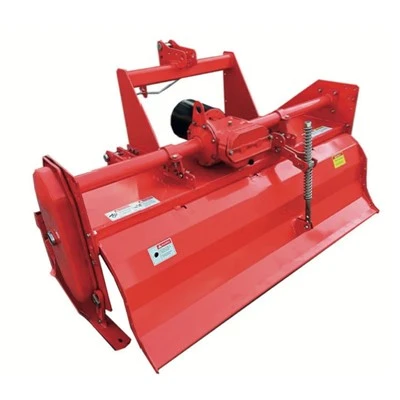
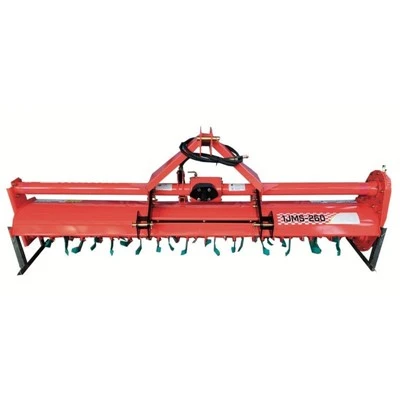
On the other hand, a rear-mounted mower or tiller may require a more evenly distributed load to ensure smooth operation and prevent excessive wear on the tractor’s rear axle. In some cases, it may be necessary to adjust the position or angle of the attachment to achieve the optimal weight distribution.
5. Importance of Calculation and Adjustment
Calculating the correct weight distribution for a tractor and its attachment is not always a straightforward process. It requires careful consideration of several factors, including the weight and dimensions of the attachment, the tractor’s specifications, and the type of work being performed. Many tractor manufacturers provide online calculators or guidelines to help farmers determine the appropriate weight distribution for their specific setup.
Once the weight distribution has been calculated, it may be necessary to make adjustments to the tractor or the attachment. This can involve adding or removing weight, changing the position of the attachment, or adjusting the tire pressure. Regular checks and adjustments are essential to ensure that the weight distribution remains optimal as the tractor and attachment are used over time.
6. Safety First
Above all, safety should be the top priority when considering weight distribution for tractor attachments. An unstable tractor can pose a serious risk to the operator and those working nearby. It’s important to follow all safety guidelines and regulations when using tractor attachments, and to never exceed the recommended weight limits or operate the tractor in unsafe conditions.
In addition to proper weight distribution, other safety measures such as wearing seat belts, using appropriate lighting and signaling devices, and maintaining a safe distance from other vehicles and equipment should also be observed. By taking these precautions, farmers can minimize the risk of accidents and ensure a safe and productive farming operation.
Conclusion
As a supplier of Farm Tractor Attachments, I understand the importance of proper weight distribution in maximizing the performance and safety of tractors. By considering the impact on stability, traction, and tractor components, and by taking into account the unique requirements of different types of attachments, farmers can ensure that their tractors operate efficiently and safely.
Rice Transplanter If you’re currently in the market for high-quality tractor attachments or need advice on weight distribution, I encourage you to reach out to our team. We have a wide range of attachments available to suit different tractor models and farming needs, and our experienced staff can provide you with personalized recommendations and support. Don’t hesitate to contact us to discuss your requirements and explore how our products can enhance your farming operations.
References
- Agricultural Machinery Management Handbook, American Society of Agricultural and Biological Engineers
- Tractor Operator’s Manuals, Various Tractor Manufacturers
Huzhou Liangyi Agro Machinery Co., Ltd.
As one of the most professional farm tractor attachments manufacturers and suppliers in China, we have world-leading production equipment and strong manufacturing capabilities. Please rest assured to wholesale advanced farm tractor attachments from our factory. Contact us for more cheap products.
Address: High-Tech Industrial Zone, Huzhou City, Zhejiang Province, China
E-mail: Liangyi_agro@126.Com
WebSite: https://www.cnliangyi-agro.com/
