Hey there! I’m a supplier of small air separation units, and I’ve seen my fair share of issues with these nifty machines. In this blog, I’m gonna walk you through how to troubleshoot common problems in a small air separation unit. Whether you’re a newbie or a seasoned pro, these tips should come in handy. Small Air Separation Unit
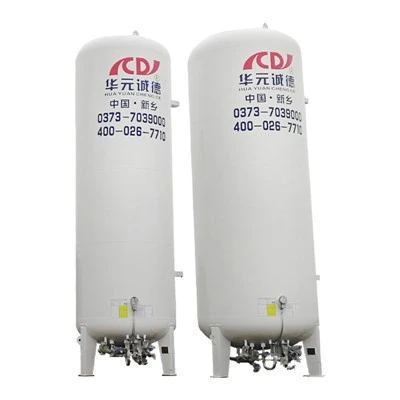
1. Low Oxygen or Nitrogen Purity
One of the most common problems we hear about is low purity of the oxygen or nitrogen output. This can be a real headache, especially if you rely on these gases for your industrial processes.
Possible Causes
- Inadequate Feed Air Quality: If the air going into the unit is dirty or contains too much moisture, it can mess up the separation process. Dust, oil, and other contaminants can clog the filters and membranes, reducing the efficiency of the unit.
- Malfunctioning Valves: Valves play a crucial role in controlling the flow of gases within the unit. If a valve is stuck or not functioning properly, it can lead to improper separation and lower purity levels.
- Incorrect Operating Parameters: The unit needs to be operated within a specific range of temperature, pressure, and flow rate. If these parameters are not set correctly, the separation process won’t work as intended.
Troubleshooting Steps
- Check the Feed Air: First things first, take a look at the quality of the feed air. Make sure the air intake is clean and free from any obstructions. Check the pre – filters and replace them if they’re dirty. You can also use a moisture analyzer to check the moisture content in the air. If it’s too high, consider installing a dryer.
- Inspect the Valves: Go through all the valves in the unit and make sure they’re opening and closing properly. You can use a valve tester or just visually inspect them for any signs of damage or wear. If a valve is malfunctioning, you may need to repair or replace it.
- Verify Operating Parameters: Check the temperature, pressure, and flow rate settings on the control panel. Compare them with the manufacturer’s recommendations. If they’re off, adjust them slowly and monitor the purity levels of the output gases.
2. Excessive Noise During Operation
If your small air separation unit sounds like a jet engine taking off, that’s definitely not normal. Excessive noise can be a sign of a mechanical problem that needs to be addressed.
Possible Causes
- Loose Components: Over time, the vibrations from the unit’s operation can cause some components to become loose. This can include bolts, nuts, or even entire parts of the compressor or fan.
- Worn – Out Bearings: Bearings are used to support rotating parts in the unit. If they’re worn out, they can cause a lot of noise as the parts rub against each other.
- Air Leaks: Leaks in the air ducts or pipes can create a whistling or hissing sound, which can contribute to the overall noise level.
Troubleshooting Steps
- Tighten Loose Components: Walk around the unit and look for any loose bolts or nuts. Use a wrench to tighten them up. Make sure not to over – tighten, as this can cause damage to the components.
- Inspect the Bearings: If you suspect the bearings are the problem, you’ll need to open up the relevant parts of the unit. Look for signs of wear, such as excessive play or rough surfaces. If the bearings are worn, replace them with new ones.
- Find and Seal Air Leaks: Use a soapy water solution to check for air leaks. Apply the solution to the joints and connections in the air ducts and pipes. If you see bubbles forming, that’s a sign of a leak. You can use sealant or tape to seal the leak.
3. Low Gas Output
If your unit isn’t producing as much oxygen or nitrogen as it should, it can be a major setback for your operations.
Possible Causes
- Clogged Filters: As I mentioned earlier, dirty filters can restrict the flow of air into the unit, reducing the gas output.
- Compressor Issues: The compressor is responsible for pressurizing the air. If it’s not working properly, the air won’t be compressed enough, leading to lower gas production.
- Leaking Pipes: Leaks in the pipes can cause the gas to escape before it reaches the output.
Troubleshooting Steps
- Replace the Filters: Check the filters and replace them if they’re clogged. This is usually a quick and easy fix that can significantly improve the gas output.
- Check the Compressor: Look for any signs of damage or malfunction in the compressor. Check the pressure gauge to see if it’s reaching the correct pressure. If the compressor is the problem, you may need to call in a professional to repair or replace it.
- Repair Leaking Pipes: Similar to finding air leaks, use a soapy water solution to locate the leaks in the pipes. Once you’ve found the leaks, repair them using appropriate materials.
4. High Energy Consumption
Running a small air separation unit can be expensive, especially if it’s consuming more energy than it should.
Possible Causes
- Inefficient Equipment: If the unit is old or not properly maintained, it may not be operating at peak efficiency. This can lead to higher energy consumption.
- Incorrect Settings: As with low purity and low output, incorrect operating settings can also cause the unit to use more energy.
- Leaking Air: Air leaks not only reduce the gas output but also cause the unit to work harder, increasing energy consumption.
Troubleshooting Steps
- Upgrade or Maintain the Equipment: Consider upgrading to a more energy – efficient model if your unit is old. Regular maintenance, such as cleaning the components and lubricating moving parts, can also improve the efficiency of the unit.
- Adjust the Settings: Review the operating settings and make sure they’re optimized for energy efficiency. You may need to consult the manufacturer’s manual or an expert for guidance.
- Seal Air Leaks: Just like in the previous cases, find and seal any air leaks in the unit to reduce energy waste.
5. Alarm Activation
Most small air separation units are equipped with alarms to alert you when there’s a problem. If an alarm goes off, it’s important to take it seriously.
Possible Causes
- Sensor Malfunction: The sensors in the unit are responsible for detecting various parameters, such as temperature, pressure, and gas purity. If a sensor is malfunctioning, it can trigger a false alarm.
- Actual Problem: Of course, the alarm could also be indicating a real problem, such as a high temperature, low pressure, or abnormal gas purity.
Troubleshooting Steps
- Check the Sensors: First, check the sensors to see if they’re working properly. You can use a sensor tester or compare the readings with other similar sensors in the unit. If a sensor is faulty, replace it.
- Investigate the Problem: If the sensors are working fine, the alarm is likely indicating a real problem. Refer to the alarm manual to find out what the specific alarm means and follow the recommended troubleshooting steps.
Conclusion
Well, that’s a wrap on troubleshooting common problems in a small air separation unit. I hope these tips have been helpful. Remember, if you’re ever in doubt or if you can’t fix the problem on your own, don’t hesitate to reach out to a professional.
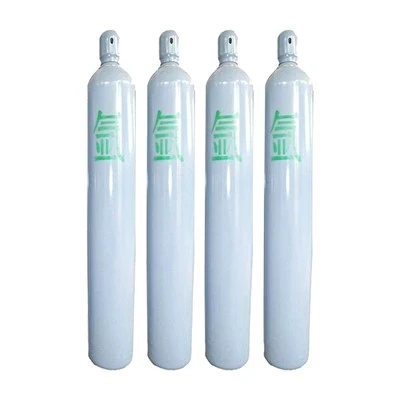
Liquefaction Storage Equipment If you’re in the market for a new small air separation unit or need some spare parts for your existing one, we’re here to help. We’ve got a wide range of high – quality units and components that are designed to meet your specific needs. Just drop us a line, and we’ll be happy to discuss your requirements and provide you with a quote.
References
- "Air Separation Technology Handbook" by [Author’s Name 1]
- "Troubleshooting Guide for Industrial Gas Equipment" by [Author’s Name 2]
Xinxiang Jiale Intelligent Equipment Co., Ltd.
As one of the most professional small air separation unit manufacturers and suppliers in China, we’re featured by quality products and good service. Please rest assured to buy durable small air separation unit for sale here from our factory. We also accept customized orders.
Address: No.3913, 9th Floor, Unit 3, East Commercial and Office Complex, Baolong City Plaza, Hongqi District, Xinxiang City, Henan Province, China
E-mail: cc2397410@gmail.com
WebSite: https://www.jiale-asu.com/
