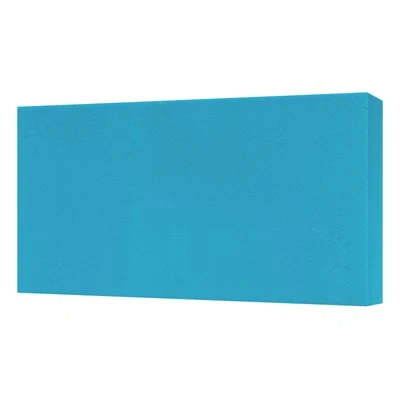
Hey guys! As a supplier of roof insulation boards, I often get asked, "What’s the best type of roof insulation board for a flat roof?" Well, let me tell you, it’s not a one-size-fits-all answer. There are several factors to consider, and I’m gonna break it down for you. Roof Insulation Board
Understanding the Basics of Flat Roof Insulation
First things first, why do we need insulation on a flat roof? Well, a well-insulated flat roof can save you a ton of money on energy bills. It helps keep the heat in during the winter and out during the summer. Plus, it can extend the lifespan of your roof by reducing thermal stress.
There are a few key properties to look for in a good insulation board. Thermal conductivity, or the k-value, is super important. A lower k-value means better insulation. You also want a board that’s durable, moisture-resistant, and easy to install.
Types of Roof Insulation Boards for Flat Roofs
Polyisocyanurate (PIR) Boards
PIR boards are like the rockstars of flat roof insulation. They have a really low k-value, usually around 0.022 – 0.024 W/mK. That means they’re excellent at keeping the heat where it should be.
They’re also pretty lightweight, which is a plus when it comes to installation. You won’t need a bunch of heavy machinery to get them on the roof. And they’re quite rigid, so they can support some weight without deforming. This is handy if you’ve got something like a small HVAC unit on your flat roof.
However, PIR boards can be a bit more expensive than other options. But in my opinion, the long-term energy savings make up for the initial cost.
Expanded Polystyrene (EPS) Boards
EPS boards are another popular choice. They’re made of small beads of polystyrene that are fused together. They have a k-value in the range of 0.033 – 0.038 W/mK, which is still decent but not as good as PIR.
One of the big advantages of EPS is its affordability. If you’re on a tight budget, these boards can be a great option. They’re also easy to cut and shape, which makes them flexible for different roof configurations.
But EPS isn’t as moisture-resistant as PIR. If it gets wet, it can lose some of its insulation properties. So, you need to make sure you’ve got a good waterproofing system in place.
Mineral Wool Boards
Mineral wool is made from natural or synthetic minerals, like basalt or slag. It has a k-value of about 0.035 – 0.040 W/mK.
One of the best things about mineral wool is its fire resistance. It’s non-combustible, which can give you peace of mind if you’re worried about fire hazards. It’s also great at absorbing sound, which can be a bonus if you’re using the space below the roof as a living or working area.
On the downside, mineral wool is heavier than PIR and EPS. Installation can be a bit more labor-intensive, and you might need some extra support on the roof.
Factors to Consider When Choosing
Now that you know about the different types of insulation boards, here are some other factors to think about:
Climate
Where you live plays a big role in the type of insulation you need. If you’re in a cold climate, you’ll want a board with a really low k-value to keep the heat in. PIR would be a great choice here. In a hot climate, you still want good insulation to keep the heat out, but a slightly higher k-value might be okay if cost is a concern.
Roof Structure
The structure of your flat roof can also affect your choice. If your roof has a limited load-bearing capacity, you’ll want a lighter board like PIR or EPS. If your roof can handle more weight, mineral wool might be an option.
Budget
Let’s face it, budget is always a factor. PIR boards are more expensive upfront, but they can save you money in the long run. EPS is the most affordable, but you might need to spend more on waterproofing. Mineral wool is in the middle in terms of cost.
Installation Requirements
Some boards are easier to install than others. EPS can be cut with a simple saw, making it a DIY-friendly option. PIR usually requires a bit more precision, and you might want to hire a professional. Mineral wool installation can be a bit messy and time-consuming because of its weight.
My Recommendation
Based on all these factors, if you’re looking for the best overall performance, I’d go with PIR boards. They offer the best insulation, are lightweight, and have good durability. But if budget is your top priority, EPS is a solid choice. And if fire resistance is a major concern, mineral wool is the way to go.
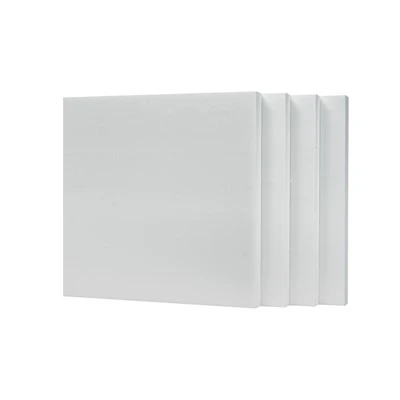
As a supplier of roof insulation boards, I’ve seen the difference that the right insulation can make. It’s not just about saving money on energy bills; it’s about creating a more comfortable and sustainable living or working environment.
Roof Insulation Board If you’re in the market for roof insulation boards for your flat roof, I’d love to help you find the perfect solution. Whether you need more information, a quote, or just some advice, don’t hesitate to reach out. We’ve got a wide range of options in stock and can guide you through the selection process. Contact us today to start the conversation and take the first step towards a better-insulated flat roof.
References
- Building Research Establishment (BRE). "Guide to Flat Roof Insulation."
- ASHRAE Handbook of Fundamentals. "Thermal Insulation."
- Insulation Manufacturers Association (IMA). "Insulation Products for Flat Roofs."
Wenzhou Lejia Energy-saving Material Co., Ltd.
As one of the leading manufacturers and suppliers of roof insulation board in China, we’re featured by quality products and good service. Please rest assured to buy advanced roof insulation board for sale here from our factory. We also accept customized orders.
Address: Block A, No. 128 Changxiu Road, Lingkun Subdistrict, Wenzhou Marine Economy Development Demonstration Zone, Zhejiang Province, China.
E-mail: luckyfoam@vip.163.com
WebSite: https://www.lfxps.com/
