In the world of fluid control systems, high – flow applications present a unique set of challenges and requirements. As a supplier of floating ball valves, I’ve witnessed firsthand how these valves play a crucial role in such demanding scenarios. Let’s delve into how floating ball valves perform in high – flow applications and why they are often the preferred choice for many industries. Floating Ball Valve

Understanding High – Flow Applications
High – flow applications are characterized by the need to move large volumes of fluid, such as water, oil, or gas, through a pipeline in a relatively short period. These applications typically require valves that can handle high flow rates, large pipe diameters, and often operate under significant pressure differentials. Industries including power generation, water treatment, chemical processing, and oil and gas exploration frequently encounter high – flow situations where the proper functioning of valves is key to operational efficiency and safety.
How Floating Ball Valves Work
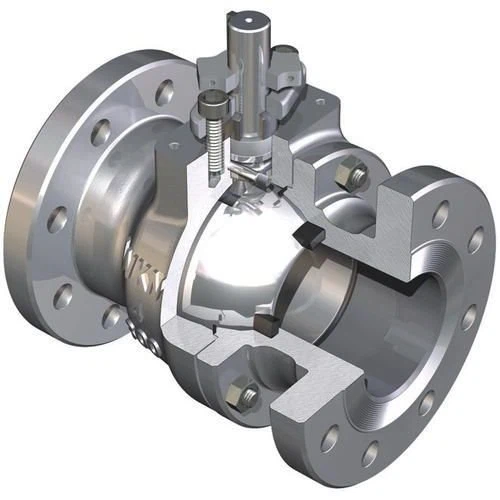
Before exploring their performance in high – flow applications, it’s essential to understand the basic working principle of floating ball valves. A floating ball valve consists of a spherical ball with a hole (bore) in the center. The ball is held in place by two seats, usually made of a soft material like PTFE (polytetrafluoroethylene) or other elastomers. When the valve is in the open position, the bore of the ball aligns with the pipeline, allowing fluid to flow freely. When the valve is closed, the ball rotates 90 degrees, and the solid part of the ball blocks the flow path, stopping the fluid movement.
In a floating ball design, the ball is not rigidly fixed but rather "floats" between the two seats. As the fluid pressure increases downstream, the ball is pushed against the downstream seat, providing a tight seal. This design is simple yet highly effective in preventing leakage and controlling the flow of fluids.
Performance Advantages in High – Flow Applications
1. Low Pressure Drop
One of the most significant advantages of floating ball valves in high – flow applications is their ability to minimize pressure drop. Pressure drop refers to the reduction in pressure that occurs when fluid flows through a valve. In high – flow systems, minimizing pressure drop is crucial as it helps to maintain the overall efficiency of the system and reduces energy consumption.
The full – bore design of many floating ball valves allows the fluid to pass through with minimal obstruction. The bore of the ball is typically the same size as the internal diameter of the pipeline, creating a smooth and continuous flow path. This design feature ensures that the valve has a low flow resistance, resulting in a relatively small pressure drop across the valve even at high flow rates.
2. Quick Operation
High – flow applications often require valves that can be opened or closed rapidly. Floating ball valves are well – suited for this purpose as they can be actuated quickly, typically with a 90 – degree turn of the handle or actuator. This rapid operation is essential in emergency shutdown situations, where the flow of fluid needs to be stopped immediately to prevent damage to equipment or ensure the safety of personnel.
In addition, the simplicity of the floating ball valve design means that there are fewer moving parts compared to some other types of valves. This reduces the likelihood of mechanical failure and allows for reliable and consistent operation over a long period.
3. Excellent Sealing Performance
In high – flow applications, preventing leakage is of utmost importance. Floating ball valves offer excellent sealing performance, thanks to the floating ball design. As the fluid pressure increases, the ball is pushed against the downstream seat, creating a tight seal. The soft seat material also helps to conform to the surface of the ball, further enhancing the sealing effectiveness.
This reliable sealing performance is crucial in applications where the fluid being transported is hazardous, expensive, or has environmental implications. For example, in oil and gas pipelines, a leak can result in significant financial losses and environmental damage. The tight sealing of floating ball valves helps to prevent such incidents.
4. Wide Range of Sizes and Materials
Floating ball valves are available in a wide range of sizes, from small – diameter valves for relatively low – volume applications to large – diameter valves capable of handling extremely high flow rates. This allows them to be used in various high – flow systems, regardless of the specific requirements of the application.
Moreover, these valves can be manufactured from a variety of materials, including stainless steel, carbon steel, brass, and exotic alloys. The choice of material depends on factors such as the type of fluid being transported, the operating temperature and pressure, and the corrosion resistance requirements. For example, in a chemical processing plant where corrosive chemicals are being handled, a floating ball valve made of a corrosion – resistant alloy may be required.
Challenges and Considerations in High – Flow Applications
1. Cavitation
Cavitation is a phenomenon that can occur in high – flow applications, especially when the fluid pressure drops below the vapor pressure of the fluid. This causes the formation of vapor bubbles in the fluid, which then collapse when they move to a region of higher pressure. The collapse of these bubbles can cause damage to the valve components, including the ball and seats, and lead to reduced valve performance and a shorter service life.
To mitigate the risk of cavitation, floating ball valves may be designed with special features such as anti – cavitation trim or by using materials that are more resistant to cavitation damage. Additionally, proper system design and operation, such as controlling the flow velocity and pressure, can also help to reduce the likelihood of cavitation.
2. Erosion
High – flow rates can cause erosion of the valve components, particularly in applications where the fluid contains solid particles or is abrasive in nature. Erosion can wear away the ball and seat surfaces, leading to leakage and reduced valve performance.
To address the issue of erosion, floating ball valves can be coated with hard – wearing materials or made from more durable alloys. Regular inspection and maintenance of the valves are also essential to detect and address any signs of erosion before they become severe.
3. Actuator Sizing
In high – flow applications, the actuator used to operate the floating ball valve needs to be properly sized to ensure reliable and efficient operation. The actuator must be able to overcome the forces exerted by the fluid pressure and the friction between the ball and the seats.
If the actuator is undersized, it may not be able to open or close the valve fully, leading to incomplete flow control or even valve failure. On the other hand, an oversized actuator can be more expensive and may require more space and energy to operate. Therefore, careful consideration and calculation are needed to select the appropriate actuator for the specific high – flow application.
Real – World Examples
Let’s take a look at some real – world examples where floating ball valves have been successfully used in high – flow applications.
In a large – scale water treatment plant, floating ball valves are used to control the flow of water through various stages of the treatment process. These valves handle high flow rates while maintaining a low pressure drop, ensuring the efficient operation of the plant. The quick – acting feature of the valves also allows for rapid adjustment of the water flow in response to changes in demand.
In the oil and gas industry, floating ball valves are installed in pipelines to control the flow of crude oil and gas. Their excellent sealing performance prevents leakage, which is crucial for safety and environmental reasons. The ability of these valves to handle large – diameter pipes and high – pressure differentials makes them well – suited for the demanding conditions of oil and gas transportation.
Conclusion
Floating ball valves offer several performance advantages in high – flow applications, including low pressure drop, quick operation, excellent sealing performance, and a wide range of sizes and materials. However, they also face challenges such as cavitation, erosion, and the need for proper actuator sizing.
As a supplier of floating ball valves, we are committed to providing high – quality products that are designed to meet the specific needs of high – flow applications. Our team of experts can help you select the right valve for your system, taking into account factors such as flow rate, pressure, fluid type, and operating environment.
Floating Ball Valve If you are in the market for floating ball valves for your high – flow application, we invite you to contact us to discuss your requirements. We look forward to the opportunity to work with you and provide you with the best valve solutions for your project.
References
- "Valve Handbook", by J. E. Bailey.
- "Fluid Mechanics and Hydraulic Machines", by R. K. Bansal.
- Industry standards and technical literature related to floating ball valves.
Zhejiang Sunawei Valve Co., Ltd.
As one of the most professional floating ball valve manufacturers and suppliers in China, we offer a wide range of valves with superior quality. Please feel free to wholesale high quality floating ball valve at competitive price from our factory. We also accept customized orders.
Address: Anfeng Industrial, Oubei Town, Wenzhou City, Zhejiang, China
E-mail: snv@sunawevalve.com
WebSite: https://www.sunay-valves.com/
