Hey everyone, it’s Jake from the stainless steel sheet team, and today we’re talking about something I get asked at least once a week: how to actually clean stainless steel sheets without messing them up. I see too many guys either scrubbing too hard with a random pad (and leaving scratches) or using a cleaner that makes fingerprints worse later, so I wanted to put together a no-BS guide that works for sheets—whether you’re a contractor installing them, a DIYer finishing a project, or even another supplier prepping stock for sale. No fancy jargon, no overcomplicated steps, just what we’ve actually tested here in our warehouse over the last 10 years. Stainless Steel Sheet
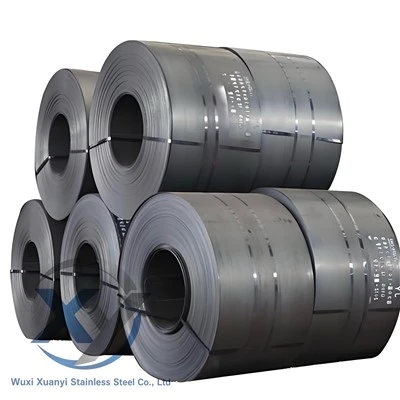
First off, let’s get one thing straight: not all stainless steel is the same, and that changes how you clean it. We stock mostly 304 and 316 sheets, which are the workhorses for kitchens, architecture, construction, and automotive stuff. 304 is your standard kitchen-grade, easy to clean, but 316 has more molybdenum, so it’s used for marine or chemical environments—needs a little gentler handling with harsh chemicals, since it’s more prone to pitting if you use the wrong stuff. And never, ever skip testing any cleaner on a tiny, hidden spot first. We learned that lesson a couple years back when a new cleaner we got marked up a batch of custom 316 sheets—cost us extra to replace them, so now we always warn folks to do a spot check first.
Let’s start with the basics: what you actually need before you touch a sheet. You don’t need some fancy industrial spray (though we do carry a great one if you ask). For regular, day-to-day grime—like dust, mild fingerprints, or light smudges—you can grab stuff from your garage or home: warm water, a soft microfiber cloth (the kind used for eyeglasses works great, too), a mild dish soap. Avoid abrasive tools: steel wool, scouring pads (the green ones that leave tiny metal shavings), or rough sponges. That’s how you get those horrible, permanent scratches—stuff that will show up every time the light hits the sheet, and it’s a nightmare to fix. We have a bin of “scraped” sheets in our warehouse that customers brought in because they used the wrong pad, so take that warning seriously.
If you’re dealing with heavier messes—like dried-on food, construction dust that’s caked on, or even light rust (wait, rust on stainless? Yeah, usually from cross-contamination with steel tools or if it’s been sitting outside in rain)—then you need to step it up a tiny notch, but still not go harsh. For caked-on gunk, mix a tiny bit of dish soap into warm water, dip your microfiber cloth (wring it out so it’s not dripping—too much water can get into the edges of sheets, especially if they’re cut and you’re dealing with bare edges that might not be fully sealed) and gently scrub in the direction of the sheet’s grain. Oh right! The grain is important. Stainless steel has a brushed or polished grain, always clean in that direction—scrubbing against it will leave streaks and make dirt get stuck in the lines. We see this all the time: someone scrubs back and forth, ends up with streaks that make the whole sheet look dirty, even after they think they’ve wiped it down. Pro tip: if you can’t see the grain, run your fingers lightly over the sheet—you’ll feel the direction, that’s your guide.
Now, for tougher stains: things like coffee, tomato sauce, oil, or even water spots that won’t come out with just soap. Here’s where a little baking soda comes in. Make a paste of 3 parts baking soda to 1 part warm water, spread it thin on the stain, let it sit for 5-10 minutes (don’t leave it too long, especially on polished sheets—baking soda is slightly abrasive, so don’t let it dry), then wipe it off in the grain direction with a damp microfiber cloth. We’ve used this for years on customer returns that had sauce or oil stains from kitchen installs, and it works way better than expensive specialty cleaners for most stuff. Just make sure you rinse it all off—any baking soda residue will leave a white film, and that’s the last thing you want.
Wait, what about rust spots? Like we mentioned earlier, that’s usually not the stainless steel itself rusting (it’s pretty corrosion-resistant), but tiny bits of regular steel that got onto the sheet and rusted. For that, a mild acidic stuff works—white vinegar, diluted lemon juice, or even a stainless steel-specific cleaner that’s formulated for that. Important: don’t use undiluted vinegar full strength, that can etch polished sheets. Mix 1 part vinegar to 1 part warm water, dab it on the rust spot (don’t pour it all over the sheet), let it sit for a minute, then wipe in the grain direction. Rinse really well after, because vinegar can leave a sour smell if you don’t get it all off, and it might dull the finish if left.
Now, the big no-nos. I can’t stress these enough, because we’ve seen so many mess-ups here. First, never use chlorine bleach. Ever. We had a customer a few months back cleaning a stainless steel fridge panel sheet, used bleach, and it left permanent pitting—small holes that you can’t buff out. Bleach eats at the chromium layer that makes stainless steel stainless, so that’s a huge no. Second, don’t use abrasive cleaners like Comet or Bar Keepers Friend on polished or mirror-finish sheets. Those are great for deep cleaning brushed sheets that have a lot of heavy grime, but they’ll scratch and dull a polished finish. Third, don’t use steel tools to move or clean the sheets. We always tell our customers to use plastic or wooden scrapers to get dried-on stuff off, not a putty knife or screwdriver that could scratch. Fourth, never let cleaning products sit on the sheet. Most stuff—vinegar, baking soda paste, dish soap—needs to be wiped off within a few minutes, because leaving it to dry will cause streaks or damage.
What about if you’re cleaning sheets that are already installed, like on a wall or countertop? Same rules apply, just adjust a little. For overhead walls, use a spray bottle instead of a soaked cloth, so you don’t drip water onto the floor or other surfaces. For countertop sheets, make sure you wipe up spills right away—especially acidic stuff like lemon, vinegar, or wine, which can etch the finish if left sitting. We had a restaurant client last year who forgot to wipe up a red wine spill on their countertop sheets overnight, and it left a faint stain that we couldn’t get out, so that’s another heads up.
If you’re dealing with sheets that are brand new, straight from us—like if you’re prepping them for installation—there might be a thin layer of residue from the manufacturing process, called “mill scale” or a protective oil film. That’s not something you want to leave on, because it can attract dirt or cause discoloration over time. For that, a stronger but still safe cleaner—we sell a mild industrial degreaser that’s perfect for new sheets—works great. Apply it with a soft cloth, wipe in the grain, rinse thoroughly, and dry with a clean microfiber cloth (this step is important—air drying leaves water spots every time, no matter how warm the water is).
Wait, how to dry them properly? I see people skip this all the time, and that’s where streaks come from. After rinsing, take a fresh, dry microfiber cloth (or even a lint-free cotton towel, though microfiber is way better) and wipe in the grain direction, applying a little pressure. Don’t just pat—wipe, like you’re polishing the sheet. If you want to go the extra mile (and make the sheet look super shiny), you can use a tiny bit of stainless steel polish once a month for high-traffic areas. We have a simple, non-toxic polish we recommend, and a little goes a long way—just apply a thin layer, wipe in the grain, and buff with a clean cloth. No need for a thick coating, that just attracts more dirt.
What about common mistakes we see? Let’s list those quick because they’re super avoidable. 1. Using paper towels. Oh my god, paper towels have tiny wood fibers that scratch stainless steel, no matter how soft they feel. Always use microfiber or lint-free cloths. 2. Scrubbing hard. Stainless steel is durable, but abrasive scrubbing will wear down the finish over time. Gentle pressure is all you need. 3. Forgetting the grain. We can’t repeat this enough—scrubbing against the grain leaves streaks that are almost impossible to get out, because dirt gets trapped in the lines. 4. Using too much water. Standing water on stainless steel can leave mineral deposits, especially if your water is hard. So always wring out your cloth well, and dry right after cleaning.
Hey, before I wrap this up, a quick note if you’re working with us here—we don’t just sell sheets, we help customers with all kinds of questions about caring for them. Whether you’re a small business owner looking for bulk sheets for a new kitchen, a contractor needing custom-cut sheets, or someone who needs advice on cleaning a sheet you already bought, hit us up. We’ve got a whole team that knows stainless steel inside and out, and we’re happy to help with anything from picking the right grade for your project to troubleshooting a stubborn stain. No sales pressure, just real advice from guys who handle these sheets every day in our warehouse.
Wait, let’s also touch on storage, because that’s part of keeping stainless steel sheets clean before you even use them. If you’re storing sheets, don’t stack them directly on top of each other without a layer of paper or plastic in between. That can cause scratches, and also trap moisture between the sheets, leading to spots. We store our own sheets vertically on racks with felt padding, which keeps them scratch-free and easy to access. Avoid storing them outside for long periods, too—exposure to rain, dirt, and harsh elements can cause discoloration or corrosion over time, even on high-grade 316.
Let me test this quick to make sure I didn’t miss anything. What about if you have a fingerprint on a polished mirror sheet? Wipe it with a little rubbing alcohol on a microfiber cloth, right? That works great, just make sure to dilute it a tiny bit with water (or use 70% isopropyl, which is standard) and wipe in the grain, then dry. Yeah, that’s a good quick fix for everyday fingerprints.
And just to recap the step-by-step for anyone who wants a simple list: 1. Grab your supplies (microfiber cloth, warm water, mild dish soap, baking soda if needed). 2. Do a spot test on a hidden area first. 3. Identify the grain direction. 4. Wipe in the grain direction, use gentle pressure, no abrasives. 5. Rinse all cleaning products off thoroughly. 6. Dry immediately with a clean microfiber cloth, wiping in the grain. 7. For tough stains, use baking soda paste or diluted vinegar, don’t use bleach, harsh abrasives, or steel tools.
That’s pretty much it. Cleaning stainless steel sheets isn’t rocket science, it’s just about using the right tools and avoiding the stupid mistakes that mess up the finish. If you’re in the market for stainless steel sheets for your next project, or you have any questions about care or grades, reach out to our team. We’re here to make sure you get the right product and the right advice to keep it looking good for years. Don’t overcomplicate it, just follow these simple steps and your sheets will stay shiny and corrosion-free.
Stainless Steel Plate References:
- Stainless Steel Fabricators & Association. (2021). Care and Maintenance of Stainless Steel Surfaces.
- American Iron and Steel Institute. (2019). Cleaning and Finishing Stainless Steel.
- International Organization for Standardization. (2020). ISO 3506: Corrosion-resistant stainless steels – Technical delivery conditions.
Wuxi Xuanyi Stainless Steel Co., Ltd.
Wuxi Xuanyi Stainless Steel Co., Ltd. is one of the most professional stainless steel sheet manufacturers and suppliers in China. With abundant experience, we warmly welcome you to wholesale bulk durable stainless steel sheet made in China here from our factory. If you have any enquiry about cooperation, please feel free to email us.
Address: Room 1207, Building 11, Shengang Metropolis Plaza, No. 299 Fangcheng Avenue, Xinwu District, Wuxi City,China.
E-mail: jscherryxy@163.com
WebSite: https://www.xuanyisteel.com/
