Hey everyone, and thanks for stopping by! If you’ve ever grabbed a cereal box by the top handle, hauled a case of water bottles to your car, or wrestled a moving box with a plastic handle, you probably didn’t think twice about why that handle doesn’t just pop off or slice through the cardboard. As a plastic carton handle supplier, I’ve spent way more time than I should admit testing these tiny (but super important) bits of plastic on every type of carton finish out there. Today, I’m breaking down how plastic handles actually play with different carton surfaces—no boring jargon, promise. Plastic Carton Handle
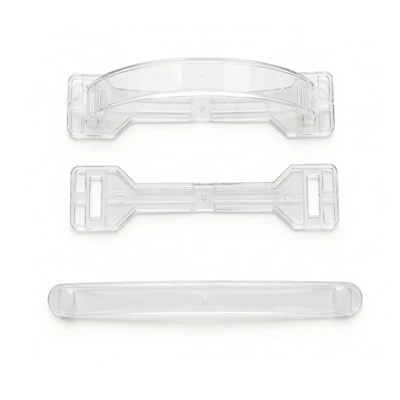
First off, let’s get one thing straight: not all cartons are created equal, and neither are plastic handles. But the big variable here is the carton’s surface finish, which is basically the outer layer of the cardboard that’s designed for print, protection, or functionality. When a handle is attached to a carton (usually with a little slot punch and a pop-through or a glued tab), the fit between the plastic handle and that surface is everything for durability, grip, and how well it holds up over time. I’ve had clients come to me saying their handles keep ripping off mid-move, and 9 times out of 10, it’s a mismatch between the handle’s design and the carton’s finish. Let’s run through the main finishes I deal with day-to-day, and what we’ve learned about how they interact with our handles.
First up: standard uncoated kraft cardboard. This is the stuff you see on regular moving boxes, plain shipping boxes, and even some basic retail packaging—no fancy coating, just natural brown or white cardboard with a rough, fibrous texture. Think of it like plain printer paper but thicker. When a plastic handle is punched through this, the rough texture of the cardboard fibers actually kind of “grips” the little tabs on the handle, right? It’s like how sandpaper sticks better to rough wood. But here’s the catch: uncoated cardboard is absorbent, so if it gets even a little wet (from rain, a spilled soda, whatever), those fibers swell. That swelling pushes against the handle tabs, which can make them loosen over time. We recently had a client in the moving industry who was using our standard pop-through handles on uncoated boxes, and they were reporting a 15% failure rate on long moves across humid states. We adjusted the handle’s tab shape—made them a little more curved instead of flat—and added a tiny bit of texture to the plastic where it touches the cardboard, and that failure rate dropped to under 2%. Uncoated kraft is great for basic stuff, but you’ve got to pick a handle that works with its absorbent, rough vibe.
Next, coated cardboard, which is super common for retail packaging—think cereal boxes, snack cases, anything that’s on a store shelf. There are two main types of coated finishes you’ll see: aqueous (water-based) coating and polypropylene (PP) coating. Aqueous coating is the thinner, shinier stuff—you can usually bend the corner of a cereal box and it doesn’t crack, that’s aqueous. PP coating is thicker, more durable, and that’s the stuff that’s on things like frozen food boxes or cases of soda because it’s moisture-resistant. Let’s talk aqueous first. Aqueous-coated cartons have a smooth, non-porous surface—way smoother than uncoated kraft. So when you punch a handle through this, there’s barely any fiber to grab onto. We used to just use the same pop-through handles on aqueous-coated retail boxes, but they were sliding right off during restocking at grocery stores. Employees would yank a cereal box off the shelf, the handle would come loose, and the whole box would tip over. Fixing this meant switching to handles with a little lock tab that clicks into a tiny secondary punch slot we add to the carton (we work closely with a few local carton manufacturers to set these slots up). That extra lock tab locks into the smooth coated surface like a tiny key, so it doesn’t slide around.
Now PP-coated cartons—this is a whole different ballgame. PP is plastic, basically, so it’s super smooth, non-porous, and way stiffer than cardboard. When you attach a handle to a PP-coated carton, there’s no give in the surface at all. If you use a standard pop-through handle, the rigid PP won’t let the cardboard flex enough to hold the tabs. We had a client that shipped bottled water in PP-coated cases, and their handles were popping off 20% of the time because the PP’s stiffness meant the tabs couldn’t punch through properly and stay in place. The solution here? Handles with a reinforced plastic backplate that sits on the outside of the carton, not the inside. The backplate presses against the smooth PP surface, distributing the weight of whatever’s in the box over a wider area, so the tabs don’t pull through the stiff PP. We also started making these backplates with a tiny, non-slip pattern—like micro-dots on the plastic—that grip the PP coating way better than a smooth backplate. Another thing we’ve noticed with PP-coated cartons: if you’re using the box in cold temperatures (like frozen food storage), the plastic gets a little brittle, so the handle needs to be made from a softer, more flexible plastic. We tested two types of plastic for handles on frozen food PP cartons—standard polypropylene and low-density polyethylene (LDPE). LDPE performed way better in cold temps, not cracking when someone yanks the handle, because it’s more flexible. That’s the kind of stuff most suppliers don’t test, but it’s the little detail that makes the difference for clients.
Then there’s corrugated cardboard, which is what most shipping boxes are made of—those wavy layers between the outer and inner liners. Corrugated has a way different surface than flat cartons, right? It’s thicker, has that wavy inner structure, and the outer liner can be coated or uncoated, just like flat cartons. When it comes to handles on corrugated, the biggest thing is the burst strength of the corrugated board. High burst strength corrugated (like the heavy-duty stuff for moving or industrial shipping) can hold way more weight than lightweight corrugated for small parcels. We have a line of heavy-duty handles rated for up to 50 pounds, which work great on high burst strength corrugated because the corrugated’s rigidity means it doesn’t flex too much when you lift it. But for lightweight corrugated (like for small Amazon boxes or craft supplies), we use lighter, more flexible handles with smaller tabs. If you use a heavy-duty handle on a lightweight corrugated box, the tabs will puncture through the thin liner, because the corrugated isn’t strong enough to hold them. We had a client that was sending small candle orders in heavy-duty handles, and the boxes were ripping through the bottom when customers lifted them. Switching to our lightweight flexible handles fixed that—they’re smaller, so they don’t put as much pressure on the thin corrugated liner.
Wait, I should also mention something most people don’t think about: matte vs. gloss finishes. A lot of clients ask about this, because it’s a big trend in packaging design right now. Matte finishes are less shiny, have a slightly more textured, softer feel—usually from a coating that’s thinner than aqueous but gives a non-gloss look. How do matte finishes interact with handles? They’re a middle ground between uncoated and gloss coated. The slightly more textured surface of matte gives a little more grip than gloss aqueous, but less than uncoated kraft. For matte finishes, our standard pop-through handles work 90% of the time, but if you’re lifting really heavy stuff, we recommend adding a little glue dot to the handle’s tab where it touches the matte surface. The matte texture gives the glue something to stick to, so it stays in place better than on a gloss surface. We did a side-by-side test with a snack company that switched from gloss to matte packaging, and their handle failure rate went up 8% until we added the glue dot—now it’s back down to their original rate.
Now, let’s talk about something that’s super important for real-world use: how these interactions hold up over time, especially in different environments. I’ve been testing handles on different carton finishes in our climate-controlled warehouse, and also sending samples to clients in places like Florida (super humid) and Colorado (super dry, high altitude). In Florida, the humidity makes all cardboard swell, which as I mentioned earlier, can loosen handles. For uncoated cartons in humid climates, we use handles with thicker, sturdier tabs that can handle the swelling without popping out. In Colorado, the dry air makes cardboard brittle—so handles need to be more flexible, because the cardboard can crack if it’s too rigid when the handle is pulled. We had a client in Colorado that was using our standard handles on uncoated shipping boxes, and the boxes were cracking at the handle slot within a month. Switched to our flexible LDPE handles, and the cracking stopped. That’s the kind of on-the-ground testing you don’t get just from reading a textbook.
I should also clear up a myth I hear all the time: some people think a “stronger handle” is always better, but that’s not true. If you pair a super heavy-duty, rigid handle with a thin, flexible corrugated box, the handle is too stiff, and the cardboard will flex more around the tabs, leading to ripping. It’s a matching game, not a “bigger is better” game. As a supplier, we don’t just sell a one-size-fits-all handle—we work with clients to figure out their carton’s finish, what they’re shipping, where it’s being shipped, and how their customers will use the handle, then recommend the right one. For example, a craft beer brand that uses uncoated kraft boxes for their 12-packs needs a handle with textured tabs to grip the rough cardboard and handle the weight of the bottles. A frozen pizza brand that uses PP-coated flat cartons needs a reinforced backplate and flexible LDPE handle to handle the cold temperatures without breaking. A moving company using heavy-duty corrugated boxes needs a heavy-duty pop-through handle with curved tabs that can handle 50+ pounds.
Another thing we test a lot is grip—wait, I’ve been talking about durability, but feel matters too! If a handle is on a smooth carton, you don’t want the handle to slip out of your hand when it’s wet. For gloss coated cartons, we make handles with a slightly textured outer surface (the part you grip) so it doesn’t slip when it’s wet. For matte or uncoated cartons, we can use either smooth or textured grips, depending on what the client wants—most of our retail clients prefer smooth for branding, while industrial clients want textured for extra grip. We did a customer survey last year for a grocery chain, and 65% of their customers said they liked our textured-grip handles on glossy snack boxes better than the smooth ones, because their hands were often a little oily or wet from handling other food. That’s something that comes from actually talking to the people using the handles, not just testing in a lab.
Wait, let’s not forget about custom finishes, too. A lot of brands are doing unique things with carton finishes now—like textured kraft, metallic coatings, even matte laminated finishes. We recently worked with a skincare brand that was using a textured matte laminated carton for their gift sets. The laminate was a little thicker than standard matte, so we had to adjust the punch slot size slightly, and use a handle with a longer tab to go through the laminate and grip the cardboard underneath. That was a custom tweak, but it’s exactly why I love being a supplier that works with clients on individual needs, not just pushing a pre-made product.
I know this got a little detailed, but that’s the stuff no one tells you about plastic carton handles. They’re not just afterthoughts—they’re a critical part of the packaging experience, and their performance depends entirely on how well they match the carton’s surface finish. Too many brands just pick a random handle, and end up with broken boxes, upset customers, and extra costs from returns or damaged goods.
If you’re a brand owner, packaging manager, or anyone who deals with carton handles on a regular basis, this stuff matters. I’ve spent years testing, tweaking, and refining our handles to work with every single carton finish out there, because I care about getting it right—for my clients, and for the people who end up using the boxes. If you’re dealing with handle issues, or just want to find the right handle for your specific carton finish, hit me up to chat. No sales pitch, no pressure—just figuring out what works for you.
Plastic Carry Handle References:
- American Forest & Paper Association. (2021). Corrugated and Solid Fiberboard Box Standards. AFPA.
- Plastic Industry Association. (2022). Performance Characteristics of Plastic Handles for Packaging Applications. PIA.
- Packaging Digest. (2023). Trends in Carton Finishes and Handle Compatibility. Pack Publishing.
- International Journal of Packaging Technology and Science. (2020). The Effect of Surface Coating on Packaging Handle Durability. Wiley.
Tengzhou Fujin Plastic Products Co., Ltd.
As one of the most professional plastic carton handle manufacturers and suppliers in China, we also support customized service. With abundant experience, we warmly welcome you to buy bulk plastic carton handle made in China here and get pricelist from our factory. For price consultation, contact us.
Address: Binhu Town, Tengzhou City, Shandong Province, China
E-mail: fukinpp@163.com
WebSite: https://www.tzfujin.com/
