Hey everyone, it’s [Your Protective Fittings Supplier Name] here – before we dive into today’s chat, just a quick heads up: I’m actually the guy who sources, tests, and ships these protective fittings out to shops, contractors, and DIYers all over, so this isn’t some stuffy textbook lesson. Today we’re talking about the big question I get at least once a week: why do protective fittings cost so much different depending on what they’re made of? Like, why is a small corner fitting for a pipe $2 vs. $20? Let’s break this down without the confusing jargon, promise. Protective Fittings
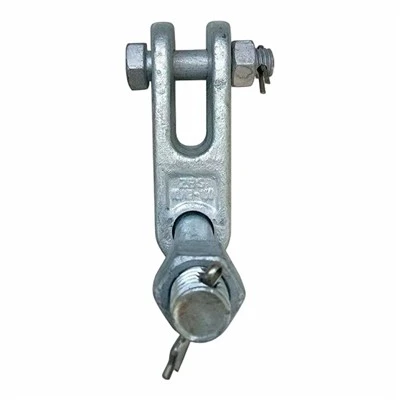
First, let’s get on the same page: protective fittings are those little (and sometimes big) pieces that keep things safe – think pipe fittings, cable connectors, edge guards, the stuff that stops leaks, frays, or damage when whatever you’re running hits walls, pressure, or heavy use. I’ve been doing this for 7 years now, and I can tell you the material is 90% of the price difference. Let’s go through the main ones we stock, what makes them tick, and why their price tags look the way they do.
Starting with the cheapest option: basic galvanized steel. This is the workhorse of the bunch, and it’s what you’ll find at every big box store for under $5 a pop for most small fittings. Here’s the catch: it’s steel that’s been dipped in a thin zinc layer to keep it from rusting. The zinc is cheap, so the material itself is super affordable, which is why the price is low. But it has limits – if you’re using it outside where it rains or snows, that zinc can chip off after a year or two, and then the steel underneath starts rusting bad. I had a customer last year who used galvanized pipe fittings for a backyard sprinkler system, and by summer they were leaking like crazy – the zinc wore down from the sun and ground, so he had to replace half the lines. So this stuff is great for indoor, low-pressure, dry settings, but don’t count on it long-term in harsh conditions. The price here is low because raw steel is cheap, galvanizing is a simple process, and it’s mass produced everywhere. That’s the biggest driver: raw material cost, plus how easy it is to make. Galvanized steel fittings cost anywhere from $0.50 for a tiny cable clamp to $15 for a large pipe fitting, depending on size.
Next up: stainless steel. This is the big jump from steel, and yeah, it’s way more expensive – usually 3 to 10 times the price of galvanized for the same size. Why? Stainless steel isn’t just regular steel with a zinc coat – it has chromium (usually 10-30%) mixed in when it’s made, which creates a self-healing layer that stops rust. If you scratch stainless, that chromium reacts with air to form a new protective layer right away, so no rust. That’s why it’s perfect for wet areas, outdoor use, even stuff that touches food or chemicals. I supply stainless steel fittings to a local brewery, for example, because their beer lines can’t have any rust or leach anything into the brew – galvanized would contaminate the product. The raw material for stainless steel is way pricier than galvanized because chromium and nickel (another common alloy in better stainless) cost more, and the manufacturing process has to be more precise to mix those metals evenly. That extra work adds to the cost too. Price range here is roughly $2 to $150, depending on grade and size. Wait, there are different grades too – 304 is the most common, which is what I sell most, great for general use. 316 is even more expensive because it has molybdenum, which resists saltwater (perfect for docks or coastal areas) – I just got an order for 316 cable guards for a new marina, and those were double the price of 304. That makes sense, right? You pay more for extra durability in harsher environments.
Now, plastic fittings – specifically PVC and CPVC. These are super popular for plumbing, electrical work, and even craft stuff, and they’re way cheaper than stainless, usually similar or a little more than galvanized for the same size. Wait, why? Plastic is a raw material made from petroleum, and it’s molded into shape super easily, so manufacturing is fast and cheap. PVC is the standard white pipe you see under sinks – it’s rigid, resists most chemicals, but breaks if you drop it or step on it. CPVC is a bit thicker, can handle hotter water, so it’s used for hot water lines, and costs a tiny bit more than regular PVC. The price here is low to mid-range, like $0.30 for a small wire nut to $20 for a large pipe coupling. But plastic has its limits too – it can get brittle in very cold weather (I’ve had winter installations where PVC cracked just from being handled in 20-degree weather) and softens in high heat, so don’t use it near furnaces or hot pipes. A lot of people love plastic because it’s lightweight, easy to cut with a saw or even a knife for small pieces, so even though the price isn’t that high, it’s way less durable than metal. That’s a trade-off you have to weigh: cheap upfront, but if it breaks, you have to replace it, which might cost more in the long run for a big job.
Then there’s the middle ground that a lot of folks sleep on: aluminum. I don’t see aluminum fittings everywhere, but I swear by them for a lot of jobs. What’s good about aluminum? It’s light – way lighter than steel, so if you’re working on a rooftop or hanging something, aluminum fittings won’t add unnecessary weight. It also rusts, but not in the same way steel does – it forms a thin, invisible oxide layer that sticks to the metal and stops corrosion, similar to stainless but with a different process. The price for aluminum fittings is usually a bit more than galvanized, around 1.5 to 3 times as much, but less than stainless. For example, a 2-inch aluminum pipe fitting is about $8, while galvanized is $5 and stainless is $25. Why is that? Aluminum is a common metal, but it’s softer than steel, so it’s not good for high-pressure applications (like gas lines – never use aluminum for gas, by the way, that’s a safety thing). But for low-pressure stuff, like railings, solar panel mounts, or window edge guards, it’s perfect. I had a customer who installed aluminum edge guards on a commercial building’s rooftop, and they’ve held up for 5 years with no rust, and they’re way easier to carry up ladders than steel ones. The downside is it’s softer, so it can scratch or dent more easily if something heavy hits it, so don’t use it for things that take a lot of impact.
Now, the premium end – let’s talk about specialty materials, like bronze and brass. These are the fancy ones, used for things where looks matter or super high durability is needed, like decorative railings, antique restoration, or stuff that’s in contact with water for decades. Brass is an alloy of copper and zinc, bronze is copper and tin (or other metals, depending on type). Both are way more expensive than stainless – we’re talking 2 to 5 times the price of stainless, so a small brass valve fitting can be $20, while the same size stainless is $5. Why? Copper and zinc are way pricier raw materials than steel or chromium, plus they’re malleable, so casting them into shapes takes more skill and work. Brass has that nice golden color, so a lot of homeowners use it for exposed pipe fittings under their sinks to look nice instead of ugly metal or plastic. Bronze is even harder, more corrosion-resistant than brass, so it’s used for outdoor fixtures that will get rained on for 10+ years. I did a project last year restoring an old house’s porch railings, and all the fittings had to be bronze – the original ones were from the 1920s, so matching material was non-negotiable, even if it meant doubling the cost of the total railing job. That’s the thing with specialty materials: you pay for the look, the historic accuracy, or extreme durability that cheaper materials can’t give you.
Wait, let’s not forget to talk about what else affects price besides material – because I know some of you are thinking, “Hey, same material, why is one fitting $3 and another $10?” It’s not just the metal or plastic. Size, obviously – a 10-foot long pipe fitting is way more material than a 1-inch one, so it costs more. Grade, like we mentioned with stainless steel – 316 vs 304. Also, coatings: some galvanized fittings are powder-coated, which adds a layer of color or extra protection, so they cost a bit more. Even the manufacturer matters – some companies use cheaper, lower-grade steel that might rust faster, while I only source from places that test every batch for strength, so my fittings might be a tiny bit more than the no-name stuff on Amazon, but they won’t break on you mid-job. I’ve had customers come back to me after a bad experience with cheap fittings from big box stores – they bought a $1 galvanized fitting that snapped during installation, so they had to redo their whole wall. That’s where spending a little more upfront on good material saves you money later.
Another thing I talk about all the time is matching the material to the job. That’s the biggest mistake I see people make, which leads to them thinking all protective fittings are overpriced. If you’re doing a simple under-sink plumbing job in a dry basement, PVC is totally fine – you don’t need to pay for stainless steel. But if you’re installing a sprinkler system outside, galvanized will rust out in 2 years, so pay a little more for aluminum or galvanized with a better coating, or even stainless if you want it to last 10+ years. If you’re working on a boat or coastal property, skip galvanized entirely – saltwater eats through it super fast, so go for 316 stainless or aluminum, even if it costs more. It’s not about getting the cheapest thing, it’s about getting the right thing for what you’re doing.
Let me throw in a quick example from my own life to make this real. Last month, my dad asked me to help him fix his backyard fence. He bought cheap galvanized steel post brackets from a hardware store for $2 each. Six months later, he texted me saying they were all rusted, and the posts were leaning. I sent him aluminum brackets, which were $5 each. Now, a year later, they’re still perfect, no rust. He complained at first about paying more, but when he had to replace 10 brackets the first time, he spent $20 – same as the aluminum ones, but now the aluminum ones will last another 5 years. That’s the trade-off: upfront cost vs. long-term value.
Wait, also, there’s stuff I don’t even stock, like titanium fittings – those are for industrial jobs, like oil rigs or aerospace, and they cost like 10 times stainless. But that’s way out of the scope for most people reading this, right? Unless you’re building a rocket, you don’t need titanium. So we can stick to the common ones that most folks will use.
Now, let’s wrap this up with a quick cheat sheet, so you don’t have to memorize all this. Cheap ($0.50-$5): Galvanized steel, PVC. Good for: Dry, indoor, low-impact, short-term jobs. Middle ($1.50-$25): Aluminum, 304 stainless steel, CPVC. Good for: Outdoor, wet, moderate pressure, general use. Premium ($20-$150+): 316 stainless, brass, bronze. Good for: Coastal, high-heat, decorative, long-term or specialty jobs.
If you’re still not sure what material you need for your specific project, that’s what I’m here for. I don’t do the pushy sales stuff – I’ll tell you exactly what will work best for your job, not what makes me the most money. Whether you’re a contractor needing 100 fittings for a big commercial build, a homeowner fixing a leaky pipe, or a hobbyist working on a small project, I can get you the right fittings at a fair price. We work with everyone, from small DIYers to large companies, no order is too big or too small. If you’re tired of buying cheap fittings that break way too soon, hit us up to chat about your needs – we can help you pick the best material (and the best price) for exactly what you’re working on.
Now, for the resources I used to make sure this stuff is accurate, because I don’t want to give you bad info. First, the American Society of Mechanical Engineers (ASME) has standard specs for all these materials and their uses, so that’s where I get the grade info for stainless and steel. The Plastics Industry Association has data on PVC and CPVC performance for different applications. And the International Code Council has building codes for using protective fittings in different environments, which I make sure all my stock meets. Those are the references I rely on every day for this work.
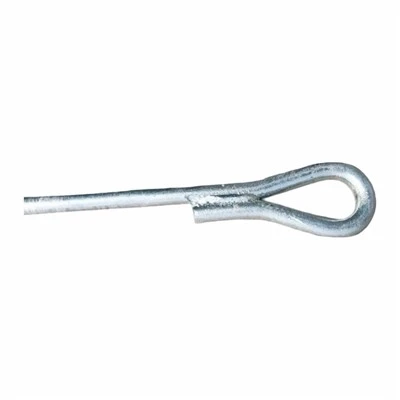
Wait, before I sign off, one last quick tip: whenever you’re buying protective fittings, don’t just look at the material – check the specs. If a fitting says it’s for high pressure, make sure the material is rated for that. A lot of cheap plastic fittings say “for plumbing” but aren’t rated for hot water, so don’t use them for your shower lines. That’s another way people end up paying for mistakes. Alright, that’s my little deep dive on protective fitting prices by material. Hope this helped – and if you need to chat about your project, don’t hesitate to reach out.
Power Fittings References:
- American Society of Mechanical Engineers (ASME). (2022). Standard Specification for Pressure Piping Valves, Fittings, and Flanges. ASME B16.5.
- The Plastics Industry Association. (2021). PVC and CPVC Pipe Fitting Performance Guidelines for Residential and Commercial Applications.
- International Code Council. (2023). International Plumbing Code (IPC) Chapter 7: Pipe Fittings and Joints.
- Aluminum Association. (2020). Aluminum Alloy Specifications for Architectural and Structural Fittings.
- Brass & Bronze Institute. (2022). Corrosion Resistance of Copper Alloy Fittings for Exterior and Marine Applications.
Hebei Tongchuang Power Fittings Co., Ltd.
With abundant experience, we are one of the most professional protective fittings manufacturers and suppliers in China. Please feel free to buy advanced protective fittings for sale here from our factory. Good service and quality products are available.
Address: Houxiaohan Industrial Zone, Xingbieying Town, Hejian City, Hebei Province, P.R. China
E-mail: tongchuangepf@gmail.com
WebSite: https://www.tongchuangpower.com/
