As a seasoned supplier of indoor fans, I’ve witnessed the evolution of these essential household appliances. Indoor fans have a rich history and a fascinating mechanism that makes them a staple in homes and offices alike. In this blog, I’ll delve into the inner workings of an indoor fan, exploring the science behind its operation and how it provides comfort in various settings. Indoor Fan
The Basics of an Indoor Fan
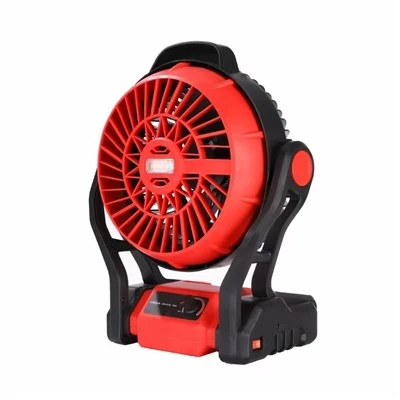
At its core, an indoor fan is a device designed to move air. The primary components of a typical indoor fan include an electric motor, blades, a housing, and a control mechanism. The electric motor is the heart of the fan, providing the power necessary to rotate the blades. The blades are carefully designed to move air efficiently, creating a breeze that circulates the air in the room. The housing encloses the motor and blades, protecting them from damage and directing the airflow. The control mechanism allows the user to adjust the speed and direction of the fan.
How the Electric Motor Works
The electric motor in an indoor fan operates on the principle of electromagnetism. When an electric current is applied to the motor, it creates a magnetic field. This magnetic field interacts with the motor’s permanent magnets, causing the motor’s shaft to rotate. The speed of the motor can be controlled by adjusting the amount of current flowing through it. Most indoor fans have multiple speed settings, allowing the user to choose the level of airflow that suits their needs.
The motor is typically connected to the fan blades through a shaft. As the motor rotates, it turns the shaft, which in turn rotates the blades. The blades are attached to the shaft at an angle, which allows them to scoop up air as they rotate. This creates a pressure difference between the front and back of the blades, causing air to flow from the front to the back of the fan.
The Role of the Fan Blades
The design of the fan blades is crucial to the efficiency of the fan. The shape, size, and number of blades all affect the amount of air that the fan can move. Most indoor fans have three or four blades, although some models may have more or fewer. The blades are usually curved, which helps to increase the amount of air that they can scoop up as they rotate.
The pitch of the blades, or the angle at which they are set, also affects the performance of the fan. A higher pitch means that the blades will move more air, but they will also require more power to rotate. A lower pitch means that the blades will move less air, but they will also use less energy. Manufacturers carefully balance these factors to create blades that provide optimal performance and energy efficiency.
Airflow and Circulation
The primary function of an indoor fan is to circulate air in a room. When the fan is turned on, it creates a breeze that moves the air around. This helps to distribute heat and coolness more evenly throughout the room, making it more comfortable. In addition, the movement of air can also help to reduce humidity and improve air quality by preventing the buildup of stagnant air.
The direction of the airflow can also be adjusted on many indoor fans. Some fans have a feature that allows them to oscillate, which means that they can move from side to side. This helps to distribute the air over a wider area. Other fans may have adjustable blades that can be tilted up or down to direct the airflow where it is needed most.
Types of Indoor Fans
There are several different types of indoor fans available on the market, each with its own unique features and benefits. Some of the most common types of indoor fans include:
- Table Fans: These are small, portable fans that can be placed on a table or desk. They are ideal for providing personal cooling in a small area.
- Floor Fans: These are larger fans that are designed to be placed on the floor. They can provide a more powerful breeze and are suitable for cooling larger rooms.
- Ceiling Fans: These are installed on the ceiling and are designed to circulate air throughout a room. They are a popular choice for bedrooms, living rooms, and other large spaces.
- Tower Fans: These are tall, slender fans that are designed to take up minimal space. They often have a built-in oscillating feature and can provide a wide range of airflow.
Energy Efficiency
In today’s energy-conscious world, energy efficiency is an important consideration when choosing an indoor fan. Most modern indoor fans are designed to be energy-efficient, using less electricity than older models. Look for fans that have an Energy Star label, which indicates that they meet strict energy efficiency guidelines set by the government.
In addition to choosing an energy-efficient fan, there are also several other things that you can do to reduce the energy consumption of your indoor fan. For example, you can turn the fan off when you leave the room, use the lowest speed setting that provides the desired level of comfort, and clean the fan regularly to ensure that it is operating at peak efficiency.
Maintenance and Care
Proper maintenance and care can help to extend the life of your indoor fan and ensure that it continues to operate efficiently. Here are some tips for maintaining and caring for your indoor fan:
- Clean the Blades: Over time, dust and dirt can accumulate on the fan blades, which can reduce the efficiency of the fan. To clean the blades, simply use a soft cloth or a vacuum cleaner with a brush attachment.
- Lubricate the Motor: Some fans may require periodic lubrication to keep the motor running smoothly. Check the manufacturer’s instructions for specific lubrication requirements.
- Check the Cord and Plug: Inspect the cord and plug regularly for any signs of damage. If you notice any frayed wires or other damage, replace the cord or plug immediately.
- Store the Fan Properly: If you are not using the fan for an extended period of time, store it in a cool, dry place. This will help to prevent damage and ensure that the fan is ready to use when you need it.
Conclusion
Indoor fans are a simple yet effective way to provide comfort and improve air circulation in your home or office. By understanding how an indoor fan works, you can make an informed decision when choosing a fan that meets your needs. Whether you are looking for a small table fan for personal cooling or a large ceiling fan to circulate air throughout a room, there is an indoor fan available that is right for you.
Indoor Fan As a supplier of indoor fans, I am committed to providing high-quality products that are both efficient and reliable. If you are interested in purchasing an indoor fan or have any questions about our products, please don’t hesitate to contact me. I would be happy to discuss your needs and help you find the perfect fan for your home or office.
References
- "Principles of Electric Motors." Physics Classroom.
- "Fan Blades: Design and Function." Engineering.com.
- "Energy Efficiency in Indoor Fans." Energy Star.
Yongkang Agudo Industry & Trade Co., Ltd.
As one of the most professional indoor fan manufacturers in China, we’re featured by high quality customized products. Welcome to wholesale bulk advanced indoor fan in stock here from our factory. If you have any enquiry about pricelist and free sample, please feel free to email us.
Address: 2nd Floor, Unit 2, Building 5, No. 46 Xicheng Huacheng West Road, Xicheng Subdistrict, Yongkang City, Zhejiang Province
E-mail: 15888900905@163.com
WebSite: https://www.cnagudo.com/
