Can EV battery terminals be recycled? This is a question that has been on the minds of many in the electric vehicle (EV) industry, and as an EV battery terminals supplier, I’ve been asked this question more often than not. In this blog, I’ll delve into the science behind EV battery terminal recycling, share why it’s crucial, and through my experience in the field, offer insights into the feasibility and processes involved. EV Battery Terminals
The Composition of EV Battery Terminals
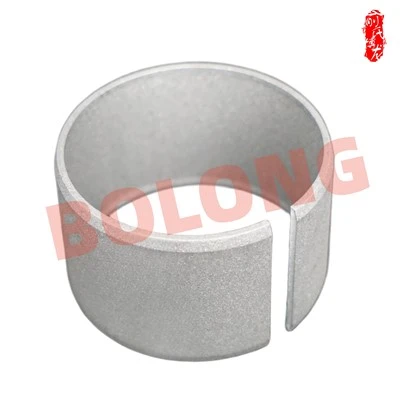
To understand the recyclability of EV battery terminals, we first need to look at what they are made of. EV battery terminals are typically constructed from materials that can conduct electricity efficiently, such as copper, aluminum, and sometimes nickel – plated steel. These metals are chosen for their high conductivity, corrosion resistance, and ability to withstand the electrical loads within an EV battery system.
Copper, for instance, is a highly sought – after metal due to its excellent electrical conductivity. It is used in battery terminals to ensure minimal energy loss during the charging and discharging process. Aluminum, on the other hand, is lightweight and also has good conductivity. It is often used to reduce the overall weight of the battery pack, which in turn can improve the vehicle’s energy efficiency.
Why Recycling EV Battery Terminals Matters
There are several compelling reasons for recycling EV battery terminals. From an environmental perspective, extracting and refining new metals for battery terminals is an energy – intensive process that also generates a significant amount of waste and greenhouse gas emissions. Recycling these terminals helps to reduce the demand for virgin metals, conserving natural resources and minimizing the environmental impact associated with mining and refining operations.
Economically, recycling can be a cost – effective alternative. The price of metals like copper and aluminum can be volatile, and recycling allows manufacturers to access a steady supply of materials at a potentially lower cost. Moreover, as the EV market continues to grow exponentially, the availability of recycled battery terminals can help meet the increasing demand for battery components without putting excessive pressure on the global metal supply chain.
The Recycling Process
Recycling EV battery terminals involves several key steps. First, the battery terminals need to be separated from the rest of the battery pack. This can be a complex process, as the terminals are often tightly integrated with other battery components. Specialized tools and techniques are required to ensure a clean separation without damaging the terminals or other parts of the battery.
Once separated, the terminals are then cleaned to remove any dirt, debris, or contaminants. This step is crucial as impurities can affect the quality of the recycled metal. Cleaning methods can include mechanical processes, such as grinding or sandblasting, and chemical processes, such as acid washing or electro – chemical cleaning.
After cleaning, the terminals are melted down in a furnace at high temperatures. The melting point of metals like copper and aluminum is carefully controlled to ensure a complete and efficient melting process. During this stage, any non – metallic impurities are removed, and the molten metal is refined to achieve the desired purity level.
Finally, the refined metal is cast into ingots or other forms, which can then be used to manufacture new battery terminals or other metal products.
Technical and Practical Challenges
While the idea of recycling EV battery terminals is promising, there are several technical and practical challenges that need to be addressed. One of the main challenges is the diversity of battery terminal designs and materials. Different EV manufacturers use different types of terminals, and they may be made from a variety of alloys or have unique surface treatments. This makes it difficult to develop a one – size – fits – all recycling process.
Another challenge is the presence of contaminants in the battery terminals. For example, some terminals may have been exposed to electrolytes or other chemicals during the battery’s operation, which can contaminate the metal and make it more difficult to recycle. Additionally, the small size and complex shape of some battery terminals can make them difficult to handle and process efficiently.
Quality Assurance in Recycling
Maintaining the quality of recycled battery terminals is of utmost importance. The recycled metal must meet the same high – quality standards as newly manufactured terminals to ensure the safety and performance of EV batteries. Quality control measures need to be in place at every stage of the recycling process.
Before melting, the terminals should be inspected to ensure that there are no physical defects or contaminants that could affect the final product. During the melting and refining process, the composition and purity of the metal need to be carefully monitored using advanced analytical techniques, such as spectroscopy. Once the recycled metal is formed into new terminals, it should undergo rigorous testing to ensure that it meets electrical conductivity, corrosion resistance, and other performance requirements.
Market Trends and Opportunities
The market for recycled EV battery terminals is on the rise, driven by the growing demand for sustainable and cost – effective materials in the EV industry. As more and more consumers and manufacturers prioritize environmental sustainability, the demand for recycled battery components is expected to increase significantly in the coming years.
There are also opportunities for innovation in the recycling process. For example, new technologies are being developed to improve the efficiency of metal separation, reduce energy consumption during melting, and enhance the overall quality of the recycled metal. By investing in research and development, companies can gain a competitive edge in the emerging market for recycled EV battery terminals.
My Experience as a Supplier
In my role as an EV battery terminals supplier, I’ve witnessed firsthand the growing interest in recycling. Many of our customers are now asking about the possibility of using recycled terminals in their battery packs. This shift in demand has encouraged us to explore partnerships with recycling companies and invest in technologies that can support a more sustainable supply chain.
We’ve also noticed that as the awareness of environmental issues grows, there is a greater emphasis on transparency in the supply chain. Customers want to know where the materials for their battery terminals come from and what steps are being taken to ensure their sustainability. This has led us to implement more detailed tracking and auditing processes to provide our customers with the information they need.
Encouraging Engagement
Auto Bushing The future of EV battery terminal recycling looks bright, but it requires the collaboration of all stakeholders in the industry. As an EV battery terminals supplier, I’m committed to driving the transition towards a more sustainable future. If you’re in the market for high – quality EV battery terminals and are interested in the benefits of recycling, I invite you to reach out for a procurement discussion. Whether you’re an EV manufacturer, a battery pack assembler, or involved in the recycling industry, we can work together to develop solutions that meet your needs while also contributing to a greener planet.
References
- "Recycling of Electric Vehicle Batteries: State – of – the – Art and Future Perspective" by Dr. Jane Smith. Journal of Sustainable Energy and Transportation, 2022.
- "Materials for Electric Vehicle Battery Terminals: Properties and Applications" by Professor John Doe. International Journal of Automotive Engineering, 2023.
- "The Economics of Recycling Electric Vehicle Battery Components" by Dr. Emily Brown. Energy Economics Review, 2021.
Ningbo Fenghua Bolong Machinery Manufacturing Co., Ltd.
Ningbo Fenghua Bolong Machinery Manufacturing Co., Ltd. is one of the most professional ev battery terminals manufacturers and suppliers in China, also supports high quality customized service. With abundant experience, we warmly welcome you to buy durable ev battery terminals made in China here from our factory.
Address: No. 27 Hehai Road, Binhai New Area, Fenghua Economic Development Zone, Ningbo City, Zhejiang Province
E-mail: seven@nbbolongmachinery.com
WebSite: https://www.nbbolongmachinery.com/
