Hey there! I’m a supplier of flexible duct aluminum foil, and I often get asked about the insulation performance of this nifty product. So, I thought I’d take a few minutes to break it down for you. Flexible Duct Aluminum Foil
What is Flexible Duct Aluminum Foil Anyway?
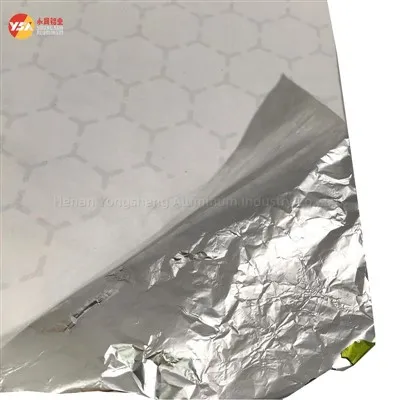
First off, let’s quickly go over what flexible duct aluminum foil is. It’s a type of material that’s made by laminating aluminum foil to a flexible backing. This backing can be things like fiberglass, polyester, or other synthetic materials. The result is a product that’s both flexible and durable, making it perfect for use in HVAC (heating, ventilation, and air conditioning) systems.
You’ll find it used in all sorts of places, from residential homes to commercial buildings. It’s great for creating ductwork that can bend and twist around obstacles, which is super handy when you’re dealing with tight spaces or complex layouts.
Why Insulation Matters
Before we dive into the insulation performance of flexible duct aluminum foil, let’s talk about why insulation is so important in the first place. In an HVAC system, insulation helps to keep the air inside the ducts at the right temperature. If the ducts aren’t properly insulated, a lot of the heated or cooled air can escape, which means your system has to work harder to maintain the desired temperature. This not only wastes energy but also drives up your utility bills.
Good insulation also helps to reduce noise. The air moving through the ducts can create a fair amount of noise, but insulation can absorb and dampen those sounds, making your home or office a quieter place.
How Does Flexible Duct Aluminum Foil Insulate?
Okay, so now let’s get into how flexible duct aluminum foil actually performs as an insulator. There are a few key factors that contribute to its insulation capabilities.
Reflective Properties
One of the main ways that aluminum foil insulates is through its reflective properties. Aluminum is a great reflector of radiant heat. When heat tries to pass through the foil, a significant portion of it gets reflected back, rather than being absorbed. This is especially useful in situations where you’re trying to prevent heat from entering or leaving a space.
For example, in the summer, the sun can heat up the outside of your building. If your ducts are made with flexible duct aluminum foil, the foil will reflect a lot of that radiant heat, keeping the air inside the ducts cooler. In the winter, it works the other way around. It reflects the heat back into the ducts, helping to keep your home warm.
Air Barrier
Another important aspect of flexible duct aluminum foil is that it acts as an air barrier. When air can’t leak through the ducts, it means that the heated or cooled air stays where it’s supposed to be. The aluminum foil layer is essentially airtight, which helps to prevent air from escaping or entering the ducts.
This is crucial for maintaining the efficiency of your HVAC system. If air is constantly leaking out of the ducts, your system has to work overtime to replace that lost air, which is bad news for your energy bills.
Material Layers
As I mentioned earlier, flexible duct aluminum foil is usually made up of multiple layers. The aluminum foil is laminated to a backing material, and sometimes there are additional layers in between. These layers work together to enhance the insulation performance.
The backing material can provide additional thermal resistance. For example, fiberglass is a great insulator because it traps air within its fibers. This trapped air acts as a barrier to heat transfer, helping to keep the temperature inside the ducts stable.
Measuring Insulation Performance
When it comes to measuring the insulation performance of flexible duct aluminum foil, there are a few key metrics that are commonly used.
R-Value
The R-value is one of the most important metrics for measuring insulation performance. It measures the thermal resistance of a material. The higher the R-value, the better the material is at resisting heat flow.
Flexible duct aluminum foil typically has a relatively high R-value, especially when compared to other types of duct materials. This means that it’s a great choice for keeping your HVAC system efficient.
U-Factor
The U-factor is the inverse of the R-value. It measures how well a material conducts heat. A lower U-factor means that the material is a better insulator.
Flexible duct aluminum foil has a low U-factor, which is another indication of its excellent insulation performance. This means that it allows very little heat to pass through, helping to keep your indoor environment comfortable.
Real-World Benefits
So, what does all of this mean in the real world? Well, if you’re using flexible duct aluminum foil in your HVAC system, you can expect a number of benefits.
Energy Savings
As I mentioned earlier, good insulation helps to reduce energy waste. By using flexible duct aluminum foil, you can significantly lower your energy bills. Your HVAC system won’t have to work as hard to maintain the desired temperature, which means it will use less energy.
Improved Comfort
Proper insulation also helps to improve the comfort of your home or office. You won’t have to deal with hot or cold spots caused by air leaks in the ducts. The temperature will be more consistent throughout the space, making it a more pleasant place to be.
Noise Reduction
As I mentioned earlier, the insulation in flexible duct aluminum foil helps to reduce noise. This can be especially important in commercial buildings or in homes where quiet is a priority.
Choosing the Right Flexible Duct Aluminum Foil
Not all flexible duct aluminum foil is created equal. When you’re choosing a product, there are a few things you should keep in mind.
Thickness
The thickness of the aluminum foil can affect its insulation performance. Generally, thicker foil will provide better insulation. However, it’s also important to consider the overall flexibility of the product. You don’t want something that’s too thick and rigid, as it won’t be as easy to install.
Backing Material
The type of backing material used can also have an impact on the insulation performance. As I mentioned earlier, fiberglass is a great insulator, but there are other options available as well. Make sure to choose a backing material that suits your specific needs.
Quality
Finally, it’s important to choose a high-quality product. Look for a supplier that has a good reputation and offers a warranty on their products. This will ensure that you’re getting a reliable product that will perform well over the long term.
Wrapping Up
In conclusion, flexible duct aluminum foil is an excellent choice for insulating your HVAC system. Its reflective properties, air barrier capabilities, and multiple layers make it a great insulator. By using it, you can save energy, improve comfort, and reduce noise.
Color Coated Aluminum Sheet If you’re interested in learning more about flexible duct aluminum foil or are thinking about purchasing some for your next project, don’t hesitate to get in touch. I’d be happy to answer any questions you have and help you find the right product for your needs. Whether you’re a contractor working on a large commercial building or a homeowner looking to upgrade your HVAC system, we’ve got the flexible duct aluminum foil you need. So, reach out today and let’s start a conversation about how we can work together to improve your HVAC insulation.
References
- ASHRAE Handbook – Fundamentals. American Society of Heating, Refrigerating and Air-Conditioning Engineers.
- Insulation Institute. Technical Data Sheets on Flexible Duct Insulation Materials.
- National Building Code of the country relevant to your location for duct insulation standards.
Henan Yongsheng Aluminum Industry Co., Ltd.
We are one of the most reliable flexible duct aluminum foil manufacturers and suppliers in China. With abundant experience, we warmly welcome you to buy high-grade flexible duct aluminum foil for sale here from our factory. All custom made products are with high quality and competitive price.
Address: Gongyi City Industrial Cluster District, Huiguo Town, Gongyi City, Henan Province
E-mail: eric@ysaluminum.cn
WebSite: https://www.ysaluminummill.com/
