How to ensure the flatness of metal stamping parts is a crucial question for both manufacturers and customers in the metal stamping industry. As a seasoned metal stamping parts supplier, I’ve encountered various challenges related to flatness over the years. In this blog, I’ll share my insights and experiences on maintaining the flatness of metal stamping parts. Metal Stamping Parts
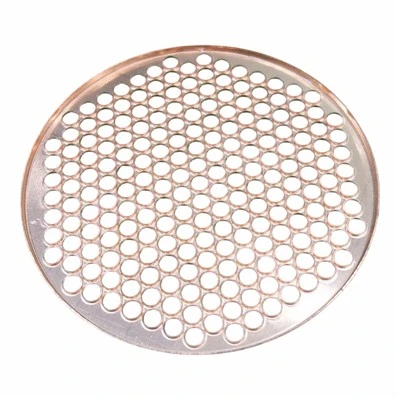
Understanding the Importance of Flatness
Flatness is a critical characteristic for metal stamping parts, especially those used in precision applications. In industries such as automotive, aerospace, and electronics, even a slight deviation from the required flatness can cause significant issues. For example, in automotive assemblies, uneven stamping parts can lead to improper fitting, which may affect the overall performance and safety of the vehicle. In electronic devices, flat components are essential for proper alignment and electrical connections. A lack of flatness can result in poor signal transmission or even device failure. Therefore, ensuring the flatness of metal stamping parts is not only a matter of quality but also directly impacts the functionality and reliability of the end – products.
Factors Affecting the Flatness of Metal Stamping Parts
There are several factors that can influence the flatness of metal stamping parts. Understanding these factors is the first step towards ensuring high – quality flat parts.
Material Properties
The choice of material is fundamental. Different metals have different mechanical properties, such as hardness, ductility, and elasticity. For instance, materials with high hardness may be more prone to cracking during stamping, which can affect flatness. On the other hand, overly ductile materials may stretch unevenly, leading to warping. The internal stress distribution within the metal also plays a crucial role. Some materials may have pre – existing internal stresses due to their manufacturing process, such as rolling or heat treatment. When these materials are stamped, the internal stresses can be released unevenly, causing distortion.
Design of the Stamping Tool
The stamping tool design significantly impacts the flatness of the parts. The shape and size of the die cavity, the clearances between the punch and the die, and the surface finish of the tool all matter. If the die cavity is not precisely machined, it can cause uneven pressure distribution during stamping, resulting in non – flat parts. Inadequate clearances can lead to excessive friction and deformation, while a rough tool surface can leave marks on the stamped parts, affecting their flatness.
Stamping Process Parameters
The stamping process parameters, including the stamping speed, pressure, and number of strokes, need to be carefully controlled. A high stamping speed may cause the metal to flow too quickly, leading to uneven deformation. Insufficient pressure may not fully form the part, while excessive pressure can cause over – deformation and cracking. The number of strokes also matters. Multiple stamping operations may be required for complex parts, and the sequence and timing of these operations need to be optimized to ensure flatness.
Strategies to Ensure Flatness
Material Selection and Preparation
When selecting materials, it’s essential to consider the specific requirements of the stamping parts. Conduct thorough material testing to understand their mechanical properties and internal stress levels. For materials with high internal stresses, stress – relieving heat treatment can be performed before stamping. This process helps to reduce the internal stresses, minimizing the risk of distortion during stamping. Additionally, proper storage and handling of materials are also crucial. Protect the materials from moisture, corrosion, and mechanical damage, as these can all affect their properties and ultimately the flatness of the stamped parts.
Precision Tool Design and Manufacturing
Invest in high – quality tool design and manufacturing. Use advanced CAD/CAM technology to design the stamping tools with high precision. Ensure that the die cavity has the correct shape and size, and the clearances between the punch and the die are within the specified range. The tool surface should be polished to a high finish to reduce friction and prevent marks on the parts. Regularly inspect and maintain the stamping tools to ensure their accuracy and performance. Replace worn – out components promptly to avoid any negative impact on the flatness of the stamped parts.
Optimization of Stamping Process Parameters
Conduct process optimization experiments to determine the optimal stamping speed, pressure, and number of strokes for each type of part. Use sensors and monitoring systems to continuously measure and control these parameters during the stamping process. This real – time monitoring allows for immediate adjustments if any deviations from the set parameters are detected. For complex parts, consider using multi – stage stamping processes with carefully designed intermediate operations to gradually shape the part while maintaining flatness.
Post – Stamping Treatments
After stamping, post – treatments can be used to improve the flatness of the parts. One common method is flattening or leveling. This process involves applying a controlled pressure to the stamped parts to correct any minor deviations in flatness. Another option is heat treatment. Annealing, for example, can be used to relieve internal stresses that may have been generated during stamping, thereby improving the flatness and dimensional stability of the parts.
Quality Control Measures
Implement a comprehensive quality control system to ensure the flatness of metal stamping parts. Use precision measuring instruments, such as coordinate measuring machines (CMMs) and optical profilometers, to measure the flatness of the parts at various stages of the manufacturing process. Set strict quality standards and inspection procedures. Conduct in – process inspections to detect any potential flatness issues early on, and perform final inspections before the parts are shipped to the customers. Document all inspection results and use statistical process control (SPC) techniques to analyze the data and identify any trends or patterns. This information can be used to continuously improve the manufacturing process and ensure consistent quality.
Customer – Centric Approach
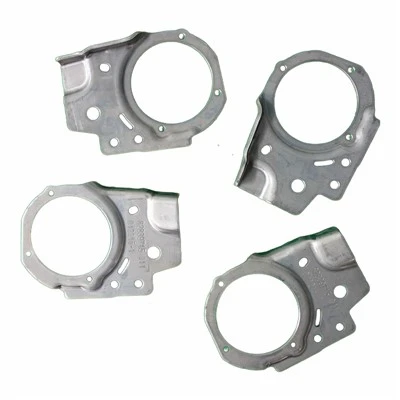
As a metal stamping parts supplier, we understand that every customer has unique requirements. We work closely with our customers from the initial design stage to understand their specific needs for part flatness. By providing technical support and advice, we can help our customers optimize their part designs for better flatness. Additionally, we offer rapid prototyping services to allow our customers to test the parts and verify their flatness before mass production. This not only helps to reduce the development time but also ensures that the final products meet the highest quality standards.
Transfer Dies & Tandem Dies In conclusion, ensuring the flatness of metal stamping parts requires a comprehensive approach that involves material selection, tool design, process optimization, post – treatment, and quality control. By implementing these strategies, we can produce high – quality metal stamping parts with excellent flatness. If you are in need of metal stamping parts and are concerned about flatness requirements, we would be more than happy to discuss your project. Contact us for a detailed consultation and let’s work together to achieve the best results for your applications.
References
- "Metal Forming Handbook" by ASM International
- "Stamping Die Design Handbook" by Society of Manufacturing Engineers
- "Precision Metal Stamping Technology" by various industry research papers
Dongguan Changdong Tool & Die Co., Ltd.
With abundant experience, we are one of the most reliable metal stamping parts manufacturers and suppliers in China. Please feel free to buy advanced metal stamping parts made in China here from our factory. Good service and quality products are available.
Address: No. 56-B, Fumin South Road, Dalang Town, Dongguan City, Guangdong Province, China
E-mail: sales@stamping-die.com
WebSite: https://www.metalstampingdie.com/
