Is Fiber Optic Cable More Expensive Than Other Cables? Fiber Optic Cable
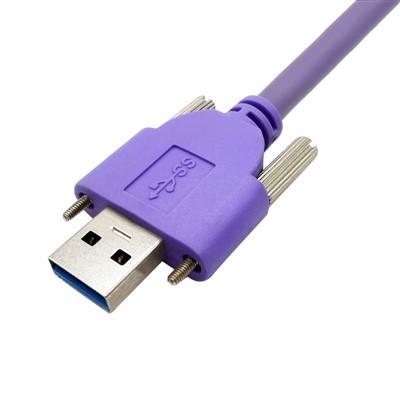
As a supplier of fiber optic cables, this is a question I’m frequently asked by potential clients in the networking and telecommunications industries. In this blog post, I’ll delve into the cost comparison between fiber optic cables and other types of cables, exploring the factors that affect their prices and determining whether fiber optic cables are truly more expensive.
Understanding Different Types of Cables
Before we start comparing the costs, let’s briefly understand the different types of cables commonly used in telecommunications and networking.
Twisted Pair Cables: These are the most widely used cables for Ethernet networks. They consist of pairs of insulated copper wires twisted together to reduce electromagnetic interference. Twisted pair cables come in different categories, such as Cat5e, Cat6, and Cat6a, with each category offering different levels of performance and bandwidth.
Coaxial Cables: Coaxial cables are another type of copper cable that was once commonly used for television and broadband internet connections. They consist of a central conductor, surrounded by insulation, a metallic shield, and an outer jacket. Coaxial cables are known for their high bandwidth and resistance to interference.
Fiber Optic Cables: Fiber optic cables use thin strands of glass or plastic to transmit data as light signals. They offer significantly higher bandwidth and longer transmission distances compared to copper cables. Fiber optic cables are commonly used in high-speed internet connections, data centers, and telecommunications networks.
Cost Comparison: Initial Installation
When it comes to the initial installation cost, fiber optic cables are generally more expensive than twisted pair and coaxial cables. There are several reasons for this:
- Material Costs: The materials used in fiber optic cables, such as glass or plastic fibers, are more expensive than the copper used in twisted pair and coaxial cables. Additionally, fiber optic cables require specialized connectors and termination equipment, which can add to the overall cost.
- Installation Complexity: Installing fiber optic cables requires specialized skills and equipment. Unlike copper cables, which can be easily cut and terminated using simple tools, fiber optic cables need to be handled with care to ensure proper alignment and splicing. This requires trained technicians and expensive splicing equipment, which increases the installation cost.
- Infrastructure Requirements: Fiber optic networks often require additional infrastructure, such as fiber optic closets, patch panels, and distribution frames. These components add to the overall installation cost, especially in large-scale projects.
However, it’s important to note that the cost of fiber optic cables has been steadily decreasing over the years, making them more accessible to a wider range of applications. Additionally, the long-term benefits of fiber optic cables, such as higher bandwidth, longer transmission distances, and better reliability, often outweigh the initial installation cost.
Cost Comparison: Long-Term Ownership
While fiber optic cables may have a higher initial installation cost, they offer several advantages in terms of long-term ownership:
- Higher Bandwidth: Fiber optic cables offer significantly higher bandwidth compared to copper cables, which means they can support higher data transfer rates and more devices. This makes them ideal for applications that require high-speed internet connections, such as data centers, cloud computing, and video streaming.
- Longer Transmission Distances: Fiber optic cables can transmit data over much longer distances compared to copper cables without experiencing significant signal loss. This makes them suitable for long-haul telecommunications networks and large-scale enterprise networks.
- Better Reliability: Fiber optic cables are more resistant to electromagnetic interference, lightning, and other environmental factors compared to copper cables. This makes them more reliable and less prone to downtime, which can result in significant cost savings for businesses.
- Lower Maintenance Costs: Fiber optic cables require less maintenance compared to copper cables, as they are not susceptible to corrosion and other types of physical damage. This can result in lower maintenance costs over the lifetime of the network.
When considering the long-term ownership cost, it’s important to take into account the total cost of ownership (TCO), which includes the initial installation cost, maintenance cost, energy cost, and replacement cost. While fiber optic cables may have a higher initial installation cost, their lower maintenance cost and better reliability can result in a lower TCO over the lifetime of the network.
Factors Affecting the Cost of Fiber Optic Cables
The cost of fiber optic cables can vary depending on several factors, including:
- Cable Type: There are different types of fiber optic cables, such as single-mode and multi-mode cables, each with different performance characteristics and costs. Single-mode cables are designed for long-haul applications and offer higher bandwidth and longer transmission distances, but they are also more expensive than multi-mode cables.
- Cable Length: The cost of fiber optic cables is typically calculated based on the length of the cable. Longer cables generally cost more than shorter cables.
- Cable Capacity: The capacity of a fiber optic cable refers to the number of fibers it contains. Cables with a higher capacity generally cost more than cables with a lower capacity.
- Connector Type: The type of connector used in a fiber optic cable can also affect its cost. Some connectors are more expensive than others, depending on their performance and compatibility.
- Market Demand: The cost of fiber optic cables can also be affected by market demand. When the demand for fiber optic cables is high, the prices may increase, and vice versa.
Conclusion
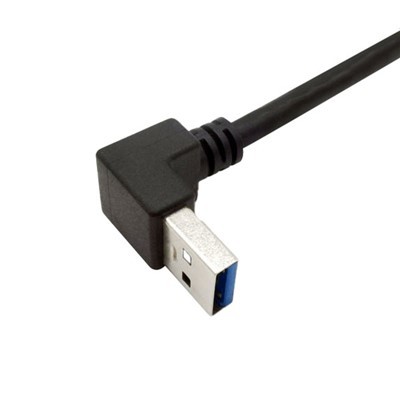
So, is fiber optic cable more expensive than other cables? The answer is yes and no. While fiber optic cables may have a higher initial installation cost, they offer several advantages in terms of long-term ownership, such as higher bandwidth, longer transmission distances, better reliability, and lower maintenance costs. When considering the total cost of ownership, fiber optic cables can often be a more cost-effective solution compared to other types of cables.
D-SUB Cable If you’re looking for a reliable and high-performance fiber optic cable solution for your networking or telecommunications needs, I encourage you to contact me for a consultation. As a leading supplier of fiber optic cables, I can provide you with the latest products and technologies at competitive prices. Whether you’re a small business or a large enterprise, I can help you find the right fiber optic cable solution for your specific requirements.
References
- Cisco. “Fiber Optic Cabling Basics.” Cisco Systems, Inc., 2023.
- Corning. “Fiber Optic Cable Technology.” Corning Incorporated, 2023.
- IEEE. “IEEE Standards for Fiber Optic Communication Systems.” Institute of Electrical and Electronics Engineers, 2023.
Karobert Technology LLC Karobert Trading PTE. LTD.
We’re known as one of the most professional fiber optic cable manufacturers and suppliers in China, also support customized service. Please feel free to buy high quality fiber optic cable made in China here from our factory. For price consultation, contact us.
Address: 6250 S 196th St, Kent, WA, 98055, USA.
E-mail: karl@karobert-us.com
WebSite: https://www.karobert-us.com/
