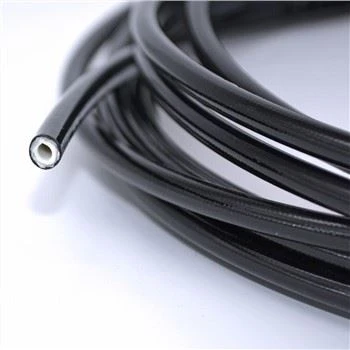
The replacement intervals for a drilling hose, also known as a rotary hose, are a critical aspect of maintaining the efficiency and safety of drilling operations. As a supplier of high – quality drilling hoses and rotary hoses, I have witnessed firsthand the impact that proper replacement intervals can have on the overall performance of a drilling rig. In this blog, I will delve into the factors that influence these intervals and offer some general guidelines for determining when it’s time to replace your hoses. Drilling Hose/ Rotary Hose
Factors Affecting Replacement Intervals
1. Operating Pressure
One of the most significant factors that determine the replacement interval of a drilling hose is the operating pressure. Drilling hoses are designed to withstand a certain maximum pressure, and continuous exposure to high pressures can cause the hose to degrade more rapidly. For instance, if a hose is rated for a maximum pressure of 5000 psi but is regularly operated at 4500 psi, it will experience more stress compared to a hose operating at a lower pressure. High – pressure operations can lead to internal abrasion, weakening of the hose’s structural integrity, and eventually, failure. As a general rule, hoses operating at higher pressures should be inspected more frequently and replaced more often.
2. Temperature
Temperature also plays a crucial role in the lifespan of a drilling hose. Extreme temperatures, whether hot or cold, can have a detrimental effect on the hose material. In high – temperature environments, the rubber compounds in the hose can break down, causing the hose to become brittle and lose its flexibility. On the other hand, cold temperatures can make the hose stiff, increasing the risk of cracking. If a drilling operation takes place in a region with high ambient temperatures or near sources of heat, such as engines or exhaust systems, the replacement interval should be shortened.
3. Chemical Exposure
Drilling operations often involve the use of various chemicals, such as drilling muds, acids, and solvents. These chemicals can react with the hose material, causing corrosion, swelling, or degradation. For example, exposure to acidic drilling muds can erode the inner lining of the hose, reducing its ability to contain the fluid. Hoses that are exposed to aggressive chemicals should be replaced more frequently to prevent leaks and potential safety hazards.
4. Flexing and Bending
Drilling hoses are subject to constant flexing and bending during operation. The repeated movement can cause fatigue in the hose material, leading to cracks and failures. The frequency and degree of flexing depend on the design of the drilling rig and the specific application. Hoses that are installed in areas with tight bends or that are frequently moved should be monitored closely and replaced at shorter intervals.
5. Abrasion
Abrasion is another common cause of hose failure. Drilling hoses can rub against other components of the drilling rig, such as pipes, brackets, or the ground. This abrasion can wear down the outer layer of the hose, exposing the inner layers to damage. Hoses that are installed in areas with high abrasion potential, such as near moving parts or in rough terrain, should be replaced more often.
General Replacement Interval Guidelines
While the specific replacement intervals for drilling hoses can vary depending on the factors mentioned above, here are some general guidelines:
1. Visual Inspection
Regular visual inspections are essential for determining the condition of a drilling hose. Inspect the hose for signs of wear, such as cracks, bulges, abrasions, or leaks. If any of these signs are present, the hose should be replaced immediately. A visual inspection should be conducted at least once a week during normal operation and more frequently in high – risk environments.
2. Hours of Operation
As a rough estimate, drilling hoses should be replaced every 1000 – 2000 hours of operation. However, this interval can vary depending on the operating conditions. For example, hoses operating under high pressure, extreme temperatures, or in chemically aggressive environments may need to be replaced after as few as 500 hours.
3. Age of the Hose
Even if a hose has not reached its recommended hours of operation, it should be replaced after a certain period of time. The rubber compounds in the hose can deteriorate over time due to exposure to oxygen, heat, and other environmental factors. As a general rule, drilling hoses should be replaced every 3 – 5 years, regardless of their usage.
Importance of Timely Replacement
Timely replacement of drilling hoses is crucial for several reasons. First and foremost, it ensures the safety of the drilling operation. A failed hose can cause leaks of drilling fluids, which can be hazardous to the environment and the personnel on the rig. Leaking fluids can also lead to equipment damage and downtime, resulting in significant financial losses.
Secondly, replacing hoses at the appropriate intervals can improve the efficiency of the drilling operation. A well – maintained hose can deliver the drilling fluid more effectively, reducing the energy required to pump the fluid and improving the overall performance of the rig.
Our Role as a Supplier
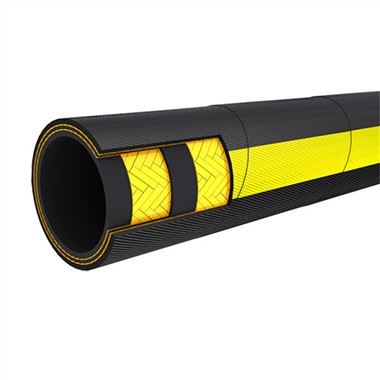
As a supplier of drilling hoses and rotary hoses, we understand the importance of providing high – quality products and accurate information about replacement intervals. We offer a wide range of hoses that are designed to meet the specific needs of different drilling operations. Our hoses are made from high – quality materials and are rigorously tested to ensure their durability and performance.
In addition to providing high – quality hoses, we also offer technical support and advice to our customers. Our team of experts can help you determine the appropriate replacement intervals for your hoses based on your specific operating conditions. We can also provide guidance on hose installation, maintenance, and inspection.
Contact Us for Your Hose Needs
Steam Hose If you are in the market for drilling hoses or rotary hoses, or if you have any questions about replacement intervals, we encourage you to contact us. Our experienced sales team is ready to assist you in finding the right hoses for your drilling operation. We are committed to providing excellent customer service and ensuring that you get the best value for your investment.
References
- API Spec 7K, Specification for Drilling Equipment
- ISO 13628 – 6, Petroleum and natural gas industries — Design and operation of sub – sea production systems — Part 6: Flexible pipe systems
- Manufacturer’s guidelines for drilling hose maintenance and replacement
Hebei Qianli Rubber Products Co., Ltd.
As one of the most professional drilling hose/ rotary hose manufacturers and suppliers in China, we have world-leading production equipment and strong manufacturing capabilities. Please feel free to buy bulk durable drilling hose/ rotary hose made in China here from our factory.
Address: West industrial Zone, Jing County, Hengshui City, Hebei Province, China.
E-mail: manager@hebeiqianli.com
WebSite: https://www.qianlirubber.com/
