As a seasoned supplier of Cable Branch Boxes, I understand the critical importance of ensuring the insulation integrity of these essential electrical components. In this blog, I’ll share comprehensive insights into how to check the insulation of a cable branch box, drawing from my years of experience in the industry. Cable Branch Box
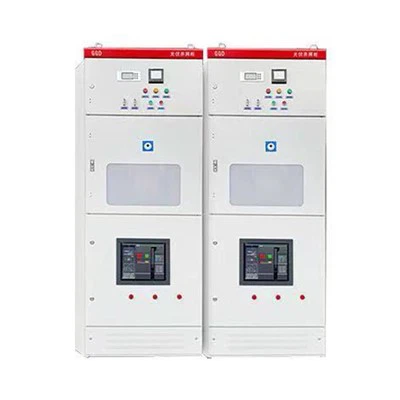
Understanding the Basics of Cable Branch Box Insulation
Before delving into the inspection process, it’s crucial to understand the role of insulation in a cable branch box. Insulation serves as a protective barrier that prevents the flow of electric current to unintended paths, ensuring the safe and efficient operation of the electrical system. A cable branch box typically consists of various components, including cables, connectors, and switches, all of which rely on proper insulation to function correctly.
Pre – inspection Preparations
Safety First
Safety is paramount when working with electrical equipment. Before starting any inspection, ensure that the power supply to the cable branch box is completely disconnected. This can be achieved by switching off the relevant circuit breakers and verifying that there is no voltage present using a voltage tester. Additionally, wear appropriate personal protective equipment (PPE), such as insulated gloves and safety glasses, to minimize the risk of electrical shock.
Gather Necessary Tools
To conduct a thorough insulation check, you’ll need a few essential tools. These include an insulation resistance tester, also known as a megger, which is used to measure the resistance of the insulation. Other tools may include a digital multimeter for measuring voltage and current, a flashlight for better visibility inside the box, and a cleaning brush to remove any dust or debris.
Visual Inspection
Exterior Inspection
Start by visually inspecting the exterior of the cable branch box. Look for any signs of physical damage, such as cracks, dents, or corrosion. These issues can compromise the integrity of the insulation and may lead to electrical faults. Check the seals around the box to ensure they are intact and provide a proper barrier against moisture and dust.
Interior Inspection
Open the cable branch box and carefully examine the internal components. Look for any signs of overheating, such as discolored or melted insulation. Check the connections between the cables and the connectors to ensure they are tight and secure. Loose connections can cause arcing and overheating, which can damage the insulation over time.
Insulation Resistance Testing
How to Use an Insulation Resistance Tester
An insulation resistance tester is a key tool for checking the insulation of a cable branch box. To use the tester, first, make sure the power is off and the cables are disconnected from the box. Connect the tester’s leads to the appropriate terminals of the cable or component being tested. Set the tester to the appropriate voltage range, usually 500V or 1000V for low – voltage applications. Press the test button and wait for the tester to display the insulation resistance value.
Interpreting the Results
The insulation resistance value indicates the quality of the insulation. A high resistance value (usually in the megohm range) indicates good insulation, while a low resistance value may suggest insulation damage or moisture ingress. In general, for a cable branch box, an insulation resistance value of at least 1 megohm is considered acceptable. However, the specific requirements may vary depending on the application and the standards of the electrical system.
Checking for Moisture and Contamination
Moisture Detection
Moisture is one of the main enemies of insulation. To check for moisture inside the cable branch box, look for signs of condensation, water droplets, or dampness. You can also use a moisture meter to measure the moisture content of the insulation. If moisture is detected, it’s important to identify the source of the moisture and take appropriate measures to address it, such as improving the ventilation or sealing any leaks.
Contamination Inspection
Contamination, such as dust, dirt, or chemical residues, can also affect the insulation performance. Inspect the internal components of the cable branch box for any signs of contamination. Use a cleaning brush to gently remove any dust or debris. If the contamination is severe, you may need to use a suitable cleaning agent to clean the components.
Thermal Imaging Inspection
Benefits of Thermal Imaging
Thermal imaging is a non – invasive method for detecting overheating in electrical components. By using a thermal imaging camera, you can identify hot spots in the cable branch box, which may indicate insulation problems or other electrical faults. Hot spots can be caused by factors such as loose connections, overloading, or insulation degradation.
Conducting a Thermal Imaging Inspection
To conduct a thermal imaging inspection, make sure the cable branch box is in operation. Use the thermal imaging camera to scan the entire box, paying special attention to the cables, connectors, and switches. Look for areas with significantly higher temperatures than the surrounding areas. These hot spots should be further investigated to determine the cause of the overheating.
Post – inspection Actions
Repair and Maintenance
If any insulation problems are detected during the inspection, it’s important to take prompt action to repair or replace the damaged components. This may involve replacing the insulation, tightening the connections, or addressing any moisture or contamination issues. Regular maintenance of the cable branch box is also essential to ensure its long – term reliability.
Documentation
Keep a detailed record of the inspection results, including the insulation resistance values, any signs of damage or contamination, and the actions taken to address the issues. This documentation can be useful for future reference and for demonstrating compliance with safety and quality standards.
Why Choose Our Cable Branch Boxes
At our company, we take pride in providing high – quality cable branch boxes that are designed to meet the most demanding electrical applications. Our products are manufactured using the latest technology and the highest quality materials, ensuring excellent insulation performance and long – term reliability.
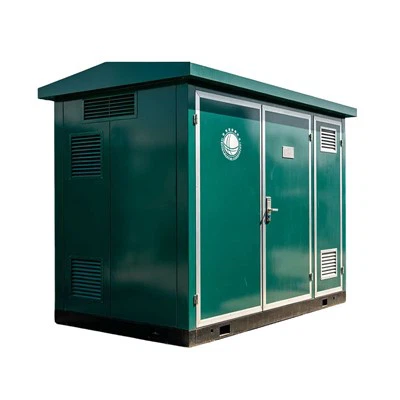
Our cable branch boxes undergo rigorous testing to ensure they meet or exceed industry standards. We offer a wide range of products to suit different applications, including indoor and outdoor use, and we can also provide customized solutions to meet your specific requirements.
Box Type Substation If you’re in the market for a reliable cable branch box or need assistance with insulation testing and maintenance, we’d love to hear from you. Our team of experts is ready to provide you with the best advice and support. Contact us today to start a conversation about your needs and how we can help you find the perfect solution for your electrical system.
References
- Electrical Safety Standards for Cable Branch Boxes, International Electrotechnical Commission (IEC)
- Insulation Testing Guidelines, National Electrical Manufacturers Association (NEMA)
- Handbook of Electrical Insulation, McGraw – Hill
Jiangxi Yihong Electric Power Technology Co., Ltd.
As one of the most experienced cable branch box manufacturers and suppliers in China, we also support customized service. We warmly welcome you to buy high quality cable branch box from our factory. If you have any enquiry about pricelist, please feel free to email us.
Address: Chating Industrial Park, Guangxin District, Shangrao City, Jiangxi Province
E-mail: 15779933057@163.com
WebSite: https://www.yihcn.com/
